Arthur Jell occupied a position that perfectly embodied the dangerous intersection of corporate ambition and public safety in early 20th-century America. As the manager overseeing operations at the Purity Distilling Company’s molasses storage facility in Boston’s North End, Jell found himself at the center of one of the most bizarre yet devastating industrial disasters in American history.
The Manager’s Dilemma
In the years leading up to January 15, 1919, Jell operated under the intense pressure typical of industrial managers during World War I. The war had created unprecedented demand for molasses, which was refined into industrial alcohol for munitions production. The massive steel tank under his supervision—50 feet tall and 90 feet in diameter—represented both enormous profit potential and a catastrophic risk that few fully understood.
Jell’s role extended beyond simple oversight; he was responsible for managing the constant flow of molasses shipments from the Caribbean, ensuring efficient processing, and maintaining the structural integrity of a storage system that had been hastily constructed to meet wartime demands. Workers and local residents had repeatedly complained about the tank’s alarming sounds—groaning metal, mysterious leaks, and concerning vibrations. These warnings placed Jell in an impossible position: halt profitable operations based on unproven concerns, or continue operating a facility that generated substantial revenue for his employers.
The historical record suggests Jell understood the risks but operated within a corporate culture that prioritized production over safety. This was not unusual for the era; industrial managers across America faced similar pressures as corporations raced to capitalize on wartime contracts with minimal regulatory oversight.
The Catastrophe and Its Aftermath
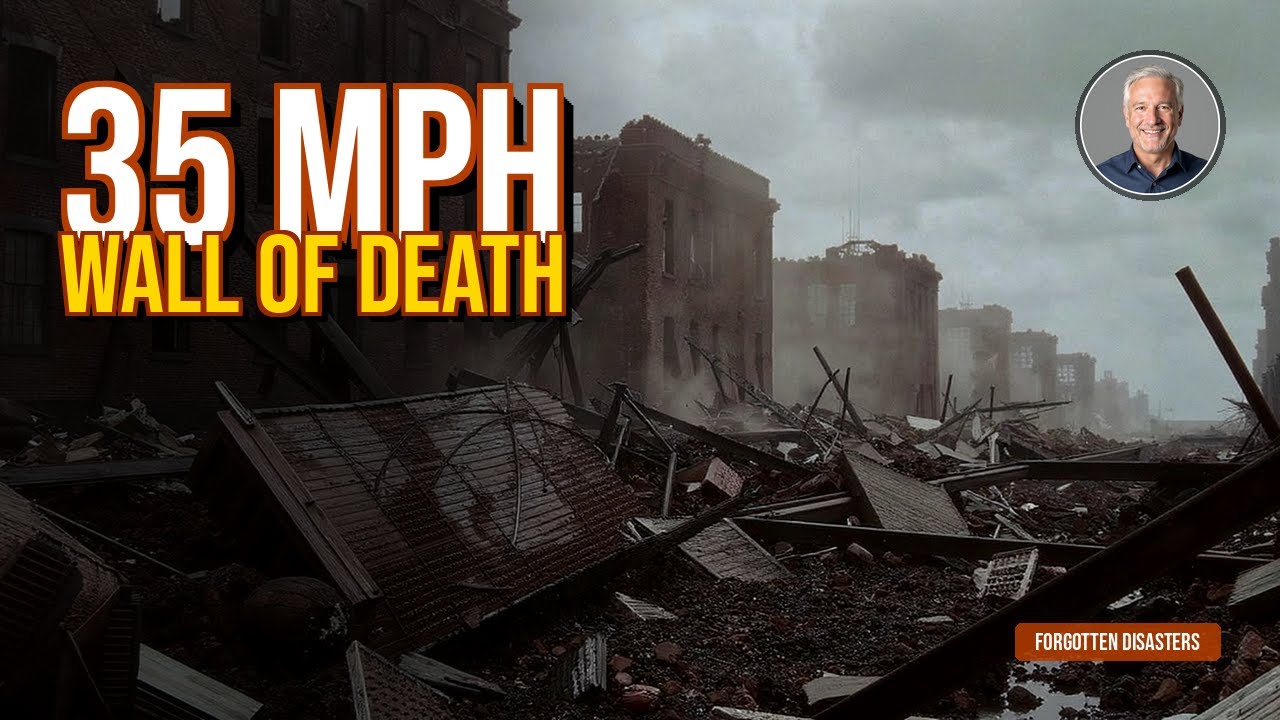
When 2.3 million gallons of molasses burst from the tank on that January afternoon, creating a 25-foot-high wave moving at 35 miles per hour, Jell’s decisions came under intense scrutiny. Twenty-one people died, including children walking home from school and workers at nearby facilities. The disaster transformed Jell from an anonymous corporate manager into a key figure in a legal battle that would reshape American industrial liability law.
The subsequent six-year lawsuit revealed the extent to which cost-cutting measures and inadequate construction had created the conditions for disaster. Jell’s testimony and the investigation of his management decisions became central to establishing whether corporations could be held liable for negligent construction and oversight—a question with profound implications for American industrial safety.
Legacy and Historical Significance
Arthur Jell’s story represents more than personal tragedy; it illuminates the broader transformation of American corporate responsibility in the early 20th century. His experience managing the molasses facility occurred during a pivotal moment when the United States was transitioning from an era of largely unregulated industrial expansion to one demanding corporate accountability for public safety.
The legal precedent established through the molasses flood case—that corporations bear responsibility for negligent construction and inadequate safety measures—fundamentally changed how American businesses approached industrial operations. Jell’s role in this disaster helped establish the foundation for modern safety regulations, environmental protections, and corporate liability standards that continue to shape American law today.
His story resonates because it demonstrates how individual managers, operating within flawed systems and facing impossible pressures, can become catalysts for broader social change. The Great Molasses Flood and Jell’s central role in its aftermath marked a turning point in American industrial history, helping to end the era when corporations could prioritize profits over public safety with virtual impunity.