The City That Died
This Town Was So Toxic They Erased It from the Map
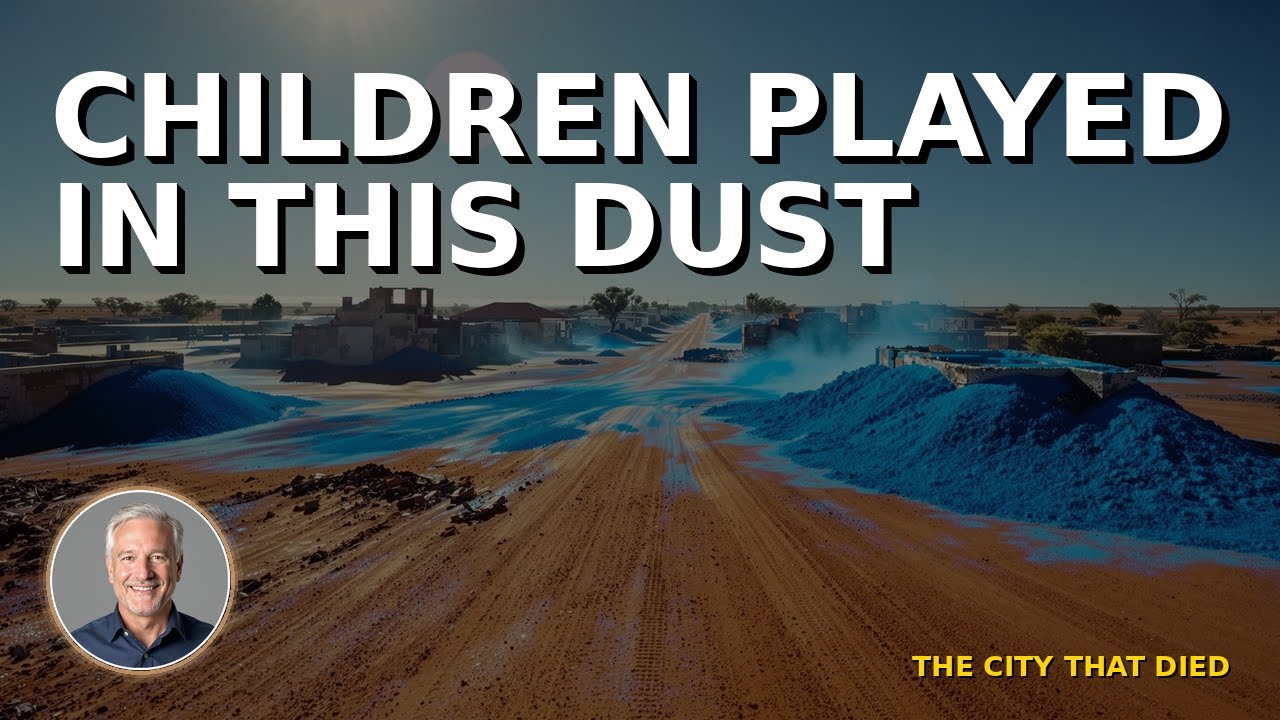
Children played in blue asbestos tailings like snow. Three million tonnes remain in the gorge, uncovered and unsecured.
Operating Australia's deadliest asbestos mine in Wittenoom
Appears in 1 documentary
The Australian Blue Asbestos Company stands as one of history’s most devastating examples of corporate negligence and environmental catastrophe. Operating from 1943 to 1966 in the remote Western Australian town of Wittenoom, the company extracted and processed crocidolite—blue asbestos—while systematically ignoring mounting evidence of its lethal health effects on workers and the surrounding community.
Founded by Lang Hancock and later operated by the Colonial Sugar Refining Company (CSR), the Australian Blue Asbestos Company transformed the small mining settlement of Wittenoom into what would become Australia’s worst industrial health disaster. The company mined crocidolite from the nearby Wittenoom Gorge, processing over 161,000 tonnes of the deadly mineral over two decades.
The mining operation was characterized by shocking disregard for basic safety protocols. Workers handled raw asbestos without protective equipment, families lived in company housing built with asbestos materials, and the mill released clouds of deadly fibers into the air daily. Perhaps most horrifically, approximately three million tonnes of asbestos tailings were dumped around the town, creating artificial hills where children played as if the blue-tinged waste were snow.
Company records later revealed that executives were aware of asbestos-related health risks as early as the 1940s. Despite receiving warnings from government inspectors and medical professionals about dangerous dust levels—sometimes measuring 500 times the acceptable limit—the company consistently prioritized profits over human safety. Internal documents showed deliberate suppression of health studies and active resistance to implementing dust control measures that would have cost money.
The human cost of the Australian Blue Asbestos Company’s operations became clear in the decades following the mine’s closure. By 2020, over 2,000 former workers and Wittenoom residents had died from asbestos-related diseases, including mesothelioma and asbestosis. The death toll continues to rise, as these diseases can remain dormant for 30-40 years after exposure.
What makes this case particularly egregious is the company’s extended campaign of denial and legal obstruction. CSR fought compensation claims for decades, forcing dying workers into lengthy court battles. The company employed teams of lawyers and medical experts to dispute the connection between their operations and worker illnesses, despite overwhelming scientific evidence.
The Australian Blue Asbestos Company’s story reflects broader patterns of industrial exploitation common in mid-20th century Australia, where remote communities were seen as expendable in the pursuit of mineral wealth. The company operated with minimal government oversight, exploiting both the isolation of Wittenoom and the desperation of workers seeking employment in the post-war boom.
The environmental devastation left behind represents one of the world’s most contaminated sites. Wittenoom was eventually declared uninhabitable and removed from official maps in 2007, though the Western Australian government continues to grapple with the three million tonnes of asbestos waste scattered throughout the gorge. The contamination is so severe that the site cannot be cleaned up with current technology.
The Australian Blue Asbestos Company’s legacy extends far beyond Wittenoom. The case became a watershed moment in occupational health and safety law, leading to stricter regulations and improved compensation systems for industrial disease victims. It also highlighted the particular vulnerability of remote mining communities to corporate exploitation and environmental racism, as the company specifically targeted areas where resistance would be minimal and oversight limited.
Today, the Australian Blue Asbestos Company serves as a cautionary tale about the deadly consequences of putting profits before people, and the long-term costs of industrial negligence that continue to reverberate through generations.
Comprehensive investigation into the Australian Blue Asbestos Company's operations and cover-up of the Wittenoom disaster.
Examines the broader Australian asbestos industry context that enabled companies like Australian Blue Asbestos to operate with impunity.
Academic examination of the Australian Blue Asbestos Company's systematic negligence and its devastating impact on workers and families.
Children played in blue asbestos tailings like snow. Three million tonnes remain in the gorge, uncovered and unsecured.