The City That Died
This Town Was So Toxic They Erased It from the Map
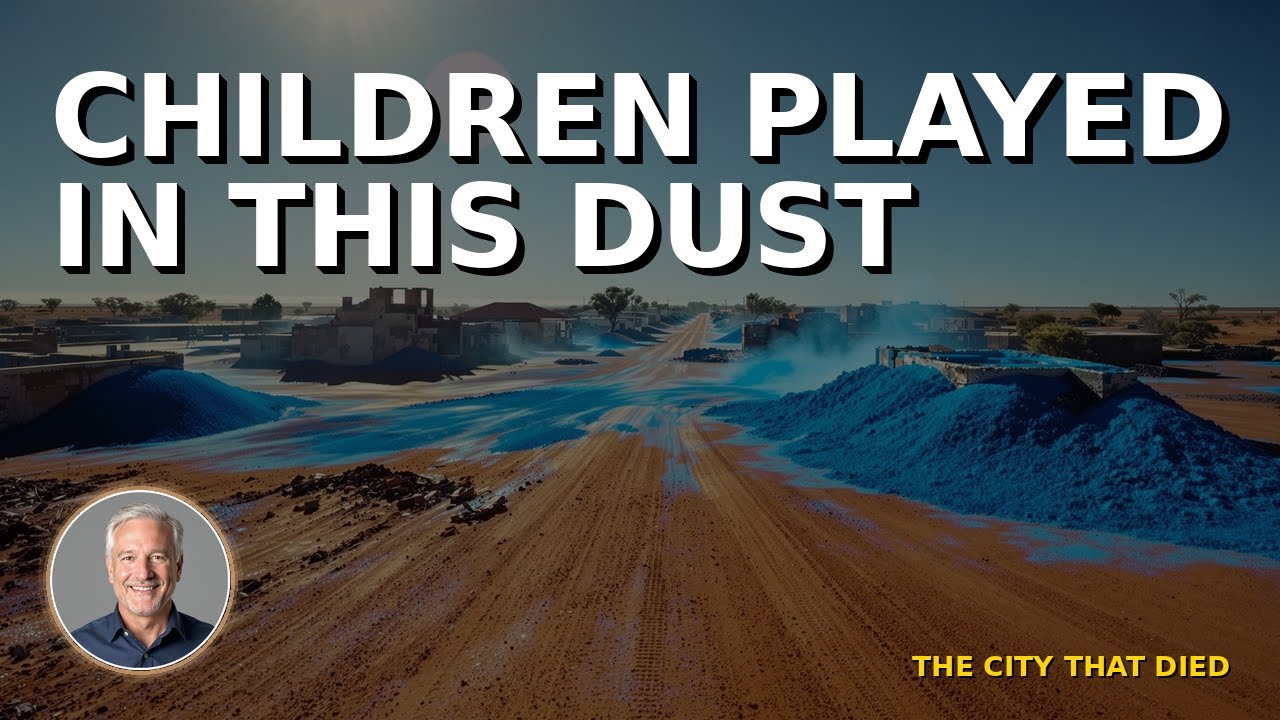
Children played in blue asbestos tailings like snow. Three million tonnes remain in the gorge, uncovered and unsecured.
Aboriginal traditional owners of asbestos-contaminated Pilbara mining region
Appears in 1 documentary
The Banjima people are an Aboriginal Australian group whose ancestral lands encompass the mineral-rich Pilbara region of Western Australia, including the Hamersley Ranges where iron ore deposits have driven Australia’s mining boom since the 1960s. Their traditional territory spans approximately 27,000 square kilometers of rugged terrain, characterized by ancient rock formations, seasonal rivers, and scattered vegetation that has sustained their culture for tens of thousands of years.
For millennia before European contact, the Banjima people maintained a sophisticated relationship with their harsh but resource-rich environment. They developed intimate knowledge of water sources, seasonal patterns, and the behavior of native animals across their territory. Their social organization centered around family groups that moved according to seasonal availability of food and water, with sacred sites marking important locations for ceremony, initiation, and spiritual practice.
The Banjima language belongs to the Pama-Nyungan family, and traditional stories encoded practical knowledge about navigation, weather patterns, and resource management. Rock art sites throughout their country, some dating back thousands of years, document their continuous occupation and cultural practices. These sites would later become crucial evidence in native title claims, demonstrating unbroken connection to country despite decades of displacement.
The discovery of high-grade iron ore in the 1960s transformed Banjima country into one of Australia’s most valuable mining regions. Major companies including Rio Tinto, BHP, and Fortescue Metals established massive operations across traditional lands, fundamentally altering the landscape and displacing Aboriginal communities. The development of mining towns like Tom Price, Paraburdoo, and Newman brought thousands of non-Aboriginal workers to the region while often marginalizing traditional owners.
The town of Wittenoom, established in the 1940s for blue asbestos mining, became particularly significant to Banjima history. Located within their traditional territory, the town exposed residents and workers to deadly crocidolite asbestos fibers. Banjima families who lived and worked in the area faced devastating health consequences, with many developing mesothelioma and other asbestos-related diseases decades later. The town’s eventual abandonment in the 1990s left behind contaminated land that remains a health hazard, with an estimated three million tonnes of asbestos tailings still present in the Wittenoom Gorge.
The Banjima people’s fight for recognition and compensation represents a broader struggle for Aboriginal rights in Australia’s resource-rich regions. In 2002, they achieved native title recognition over parts of their traditional territory through the Federal Court, acknowledging their continuing connection to country despite generations of displacement. However, this recognition came with limitations, as mining leases granted before 1998 continued to operate without requiring Aboriginal consent.
Contemporary Banjima people work to balance cultural preservation with economic participation in the mining industry that dominates their ancestral lands. Some have found employment in mining operations, while others focus on cultural heritage protection and environmental monitoring. The community has established cultural centers and language programs to maintain traditional knowledge while adapting to modern realities.
Their experience exemplifies the complex relationship between Aboriginal Australians and the extractive industries that have driven national economic growth while often excluding traditional owners from the benefits. The legacy of environmental damage, health impacts from industrial operations like asbestos mining, and ongoing disputes over land use continues to shape Banjima community life today.
Examines the corporate negligence at Wittenoom that devastated Aboriginal communities like the Banjima on their traditional lands.
Provides context for understanding how Aboriginal communities maintain cultural connections despite industrial disruption and displacement.
Documents the complex negotiations between Aboriginal groups like the Banjima and mining companies in Western Australia's resource boom.
Children played in blue asbestos tailings like snow. Three million tonnes remain in the gorge, uncovered and unsecured.