James “Big Jim” Kennally operated in the shadowy underworld of 1870s Chicago, where counterfeiting networks flourished in the chaos following the Civil War. A towering figure both physically and within criminal circles, Kennally controlled one of the most sophisticated counterfeiting operations in the Midwest, specializing in fake government bonds and currency that flooded the post-war economy. His enterprise represented more than mere criminal enterprise—it embodied the broader lawlessness and economic instability that plagued America during Reconstruction.
The Counterfeiting Empire
Kennally’s criminal organization thrived in an era when paper currency was still relatively new to American commerce. The Legal Tender Act of 1862 had introduced government-issued “greenbacks,” but the technology to detect forgeries remained primitive. Operating from Chicago’s criminal underground, Kennally’s network relied heavily on skilled engravers who could replicate the intricate designs of federal currency and bonds. Among his most valuable assets was Benjamin Boyd, a master engraver whose talents made Kennally’s counterfeit fifty-dollar bills virtually indistinguishable from genuine currency.
The operation’s success stemmed from Kennally’s understanding that counterfeiting was fundamentally a business requiring specialized labor, distribution networks, and protection from law enforcement. His organization functioned like a legitimate enterprise, with clear hierarchies and defined roles. This systematic approach allowed Kennally to flood the market with fake currency while maintaining enough distance from day-to-day operations to avoid direct prosecution.
The Lincoln Tomb Plot
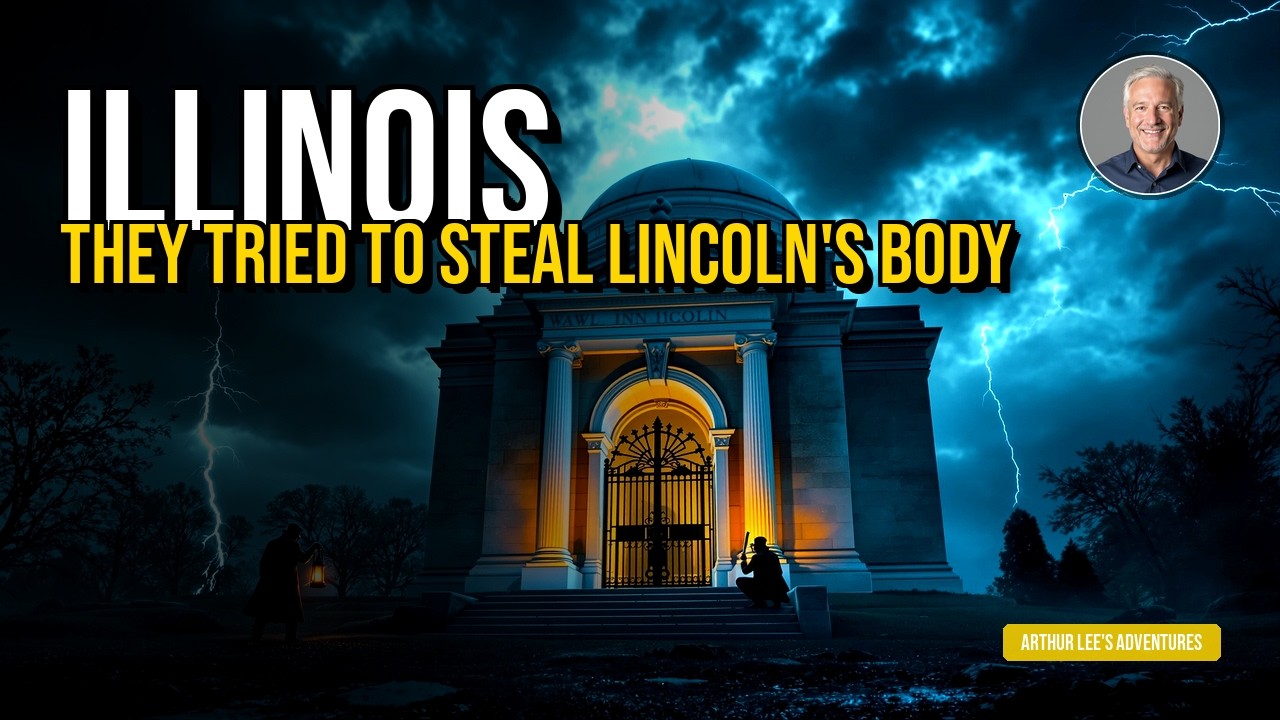
When federal agents arrested Benjamin Boyd in October 1875, Kennally faced a crisis that threatened his entire operation. Without Boyd’s engraving skills, the counterfeiting business would collapse. Rather than accept defeat, Kennally devised one of the most audacious criminal schemes in American history: stealing Abraham Lincoln’s body from Oak Ridge Cemetery in Springfield, Illinois, to ransom it for Boyd’s freedom and $200,000 in cash.
The plot reflected both Kennally’s desperation and his understanding of Lincoln’s symbolic importance to the American psyche. Just eleven years after Lincoln’s assassination, the president had already achieved mythical status as the Great Emancipator and martyr of the Union cause. Kennally correctly calculated that the federal government would pay virtually any price to recover Lincoln’s remains and avoid the public relations catastrophe of a desecrated presidential tomb.
On November 7, 1876—election night—Kennally’s associates Terrence Mullen and Jack Hughes broke into Lincoln’s tomb. The timing was strategic; with the nation focused on the Hayes-Tilden presidential election, the conspirators hoped to complete their work undetected. However, Secret Service operative Lewis Swegles had infiltrated the group months earlier, and federal agents were waiting in the darkness of the cemetery.
Criminal Innovation and Historical Impact
Kennally’s failed scheme illuminated the vulnerabilities in America’s approach to protecting national symbols and historical sites. The ease with which the conspirators initially accessed Lincoln’s tomb exposed serious security deficiencies that prompted immediate reforms. The incident led to enhanced protection for presidential burial sites and established precedents for federal involvement in safeguarding national monuments.
More significantly, Kennally’s counterfeiting operation and the desperate measures he employed to preserve it demonstrated the ongoing challenges facing American currency systems in the 1870s. His sophisticated forgeries contributed to a crisis of confidence in paper money that would influence monetary policy debates for decades. The technical quality of his organization’s work forced the Treasury Department to invest heavily in anti-counterfeiting measures and detection technologies.
Though Kennally himself was never directly prosecuted for the Lincoln tomb plot—his careful distance from the actual break-in protected him legally—the failure of the scheme effectively ended his criminal career. The intense federal scrutiny that followed made continued counterfeiting operations impossible, and his network collapsed. Kennally’s brief moment in the spotlight represented the last gasp of the freewheeling criminal enterprises that had flourished in post-Civil War America, as federal law enforcement capabilities finally began catching up to criminal innovation.