The City That Died
50,000 People Were Given 3 Hours to Leave Forever
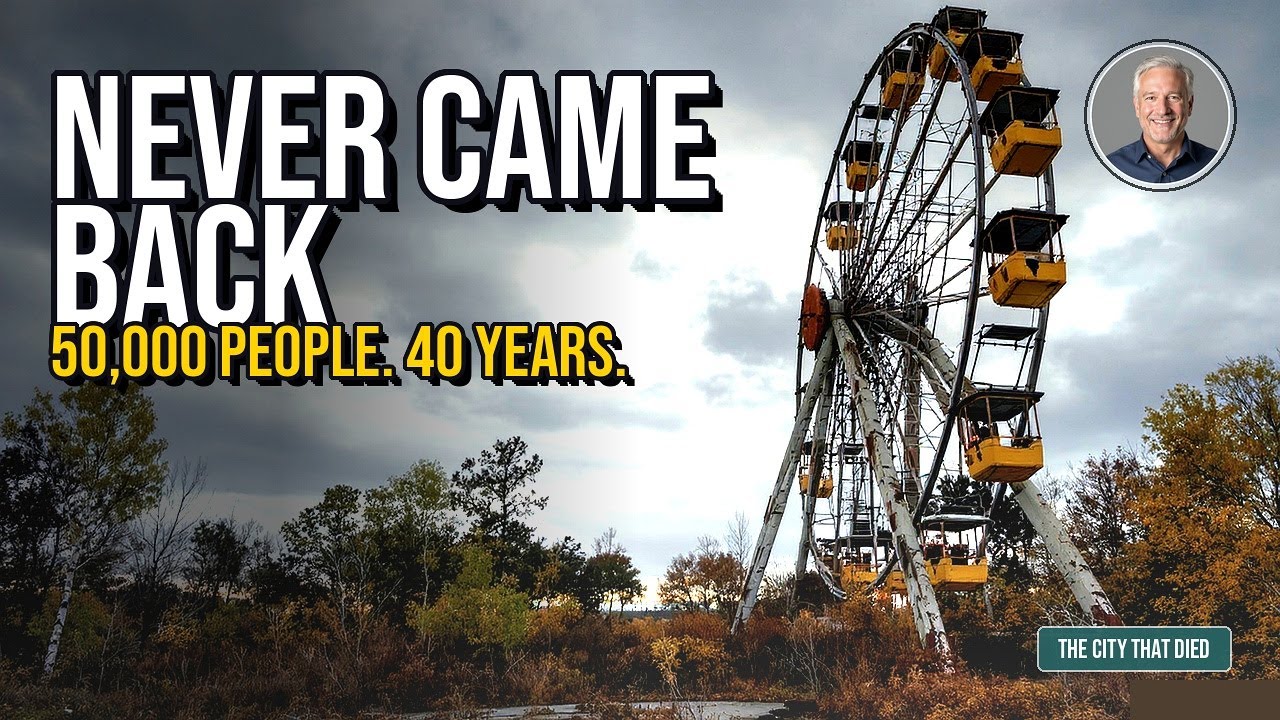
The amusement park was scheduled to open on May 1, 1986 — five days after the disaster. It never welcomed a single child.
Soviet official who led Chernobyl disaster response
1919-1990
Appears in 1 documentary
Boris Shcherbina embodied the contradictions of late Soviet power—a man who built his career within the rigid Communist Party hierarchy, only to find himself thrust into managing the most devastating nuclear disaster in human history. His response to Chernobyl would define not only his legacy but also illuminate the fatal flaws in the system he had served for decades.
Born in 1919 in Ukraine, Shcherbina rose through the Soviet bureaucracy during the Stalin era, when loyalty mattered more than expertise and questioning authority could prove fatal. He began his career as a mechanical engineer but quickly transitioned into party politics, climbing the ranks through a combination of competence and unwavering dedication to Communist ideology. By the 1970s, he had become a deputy chairman of the Council of Ministers, making him one of the most powerful officials in the USSR.
Shcherbina’s specialty was crisis management within the energy sector. He had overseen major industrial projects and handled previous emergencies, earning a reputation as someone who could impose order on chaos through sheer force of will. His approach was quintessentially Soviet: centralized control, absolute authority, and an unshakeable belief that the state apparatus could overcome any obstacle. These qualities made him the obvious choice when the Politburo needed someone to take charge of the unfolding catastrophe at Chernobyl.
On April 26, 1986, just hours after Reactor Four exploded, Shcherbina was appointed to lead the government commission investigating the disaster. What he found in Pripyat shattered his faith in Soviet nuclear technology and forced him to confront the gap between party propaganda and devastating reality. The reactor wasn’t just damaged—it had been destroyed, spewing radioactive material across Europe in quantities that dwarfed Hiroshima.
Shcherbina’s initial response reflected decades of Soviet conditioning: minimize the scope of the disaster, control information flow, and project strength regardless of circumstances. He clashed repeatedly with nuclear physicist Valery Legasov, who insisted on acknowledging the full scientific reality of the situation. Yet as the crisis deepened, Shcherbina began to recognize that traditional Soviet methods were inadequate for this unprecedented catastrophe.
The evacuation of Pripyat became a defining moment. Shcherbina oversaw the removal of 50,000 residents in a matter of hours—a logistical achievement that demonstrated Soviet organizational capacity at its peak. But the delayed timing of the evacuation, occurring more than 24 hours after the explosion, exposed the system’s inability to prioritize human safety over political appearances.
Chernobyl transformed Shcherbina from a party functionary into something approaching a truth-teller. Working alongside scientists like Legasov, he gradually abandoned the reflexive secrecy that had characterized his entire career. He began pushing for greater transparency within the government commission and supported more aggressive cleanup efforts, even when they conflicted with Moscow’s desire to minimize costs and international embarrassment.
His health deteriorated rapidly due to radiation exposure during his time at the disaster site. The man who had spent decades believing in Soviet technological superiority now faced the ultimate consequence of that system’s failures. Shcherbina died in 1990, his death hastened by his exposure to radiation while managing the crisis that would ultimately contribute to the collapse of the USSR itself.
Shcherbina’s legacy lies not in his decades of loyal service to the Communist Party, but in his final transformation during humanity’s worst nuclear disaster. He represents both the competence and the fatal blindness of Soviet leadership—capable of extraordinary organizational feats yet trapped within an ideological framework that made such disasters inevitable. His evolution from party loyalist to reluctant truth-teller mirrors the broader Soviet awakening that Chernobyl forced upon an entire nation.
Higginbotham provides the most detailed portrayal of Shcherbina's transformation from party loyalist to crisis manager during the disaster response.
Uses newly declassified Soviet archives to reveal Shcherbina's role within the broader political dynamics of the disaster response.
Includes firsthand accounts from those who worked under Shcherbina's command during the evacuation and cleanup efforts.
The amusement park was scheduled to open on May 1, 1986 — five days after the disaster. It never welcomed a single child.