The Captain’s Fateful Decision
On the morning of December 6, 1917, Captain Aimé Le Medec faced a decision that would alter the course of maritime history and claim nearly 2,000 lives. As commander of the French cargo vessel Mont-Blanc, Le Medec was navigating Halifax harbor with one of the most dangerous cargoes ever assembled: 2,925 tons of explosives destined for the Western Front. His ship carried benzol, picric acid, TNT, and gun cotton—a floating bomb that required the utmost caution and seamanship.
Le Medec was an experienced mariner who understood the gravity of his cargo. Under normal circumstances, vessels carrying such dangerous materials followed strict protocols: they flew red flags, traveled with naval escorts, and used designated shipping channels. But World War I had disrupted normal circumstances. The Mont-Blanc flew no warning flags to avoid attracting German U-boats, and the chaos of wartime shipping had created confusion in Halifax’s normally well-regulated harbor.
Collision Course
At approximately 8:45 AM, Le Medec’s worst fears materialized. The Norwegian vessel Imo, chartered by the Commission for Relief in Belgium, was leaving Halifax harbor on the wrong side of the channel. Despite frantic whistle signals and desperate maneuvering by both vessels, collision became inevitable. Le Medec ordered his engines full astern, but the laws of physics and the confined waters of the Narrows made disaster unavoidable.
The impact itself was relatively minor—a glancing blow that under normal circumstances would have resulted in damaged paint and angry insurance claims. But the collision sparked fires in the benzol barrels on Mont-Blanc’s deck. Le Medec immediately recognized the mortal danger. He ordered his crew to abandon ship, knowing that the fire would eventually reach the explosive cargo below decks. The captain and his crew rowed frantically toward the Dartmouth shore, shouting warnings in French that few understood.
What followed exposed both Le Medec’s human limitations and the broader tragedy of wartime communication failures. While he and his crew knew their ship would explode with devastating force, they could not effectively communicate this knowledge to Halifax’s population. Language barriers, the speed of events, and the simple fact that most civilians had never seen anything like the burning Mont-Blanc created a perfect storm of ignorance and curiosity.
The Blast and Its Aftermath
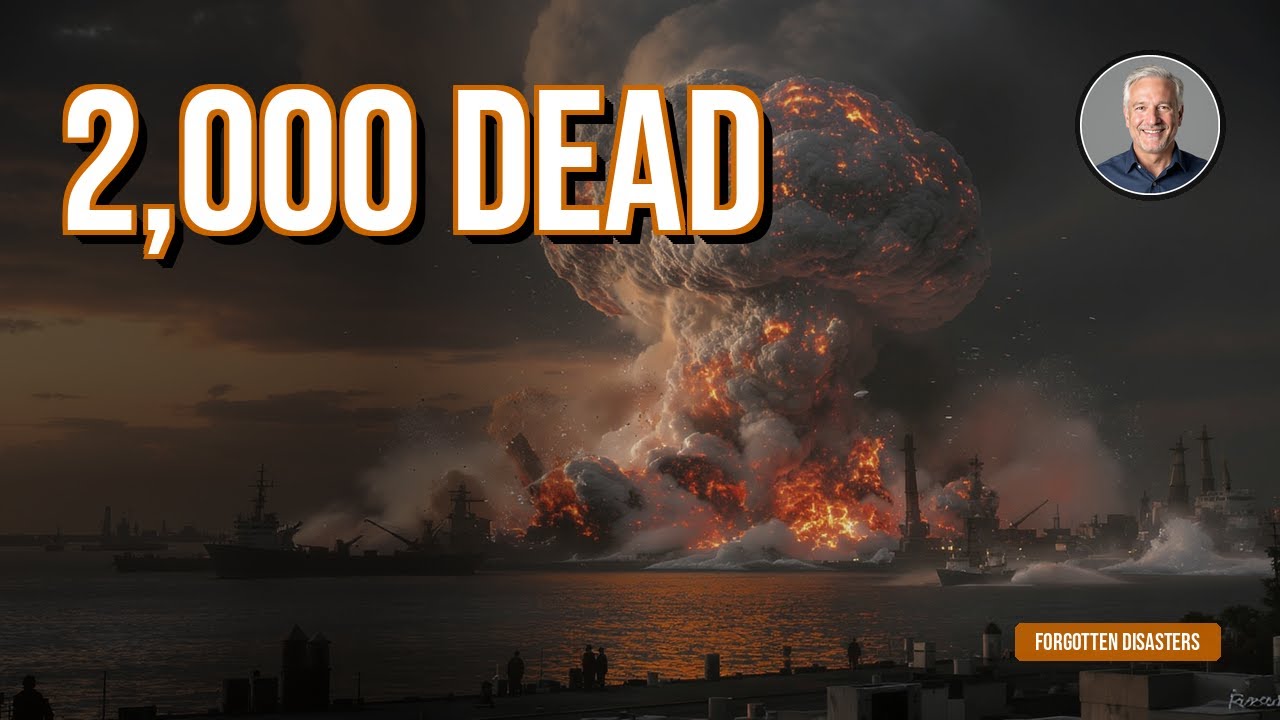
At 9:04:35 AM, the Mont-Blanc exploded with the force of 2.9 kilotons of TNT—the largest human-made explosion until the atomic age. The blast leveled much of Halifax’s north end, killed nearly 2,000 people instantly, and injured 9,000 more. Captain Le Medec and most of his crew survived because they had reached minimum safe distance, but their survival became a source of controversy and legal complication.
Le Medec found himself at the center of one of history’s first major investigations into industrial disaster causation. Canadian authorities initially blamed him and his crew for the catastrophe, leading to their arrest and imprisonment. However, subsequent investigations revealed the complex web of circumstances that made the collision nearly inevitable: poor harbor management, unclear right-of-way rules, communication failures, and the extraordinary pressures of wartime shipping.
The captain’s story illustrates how individual human decisions intersect with larger systemic failures during crisis periods. His competent handling of a dangerous cargo and his crew’s disciplined evacuation likely prevented an even larger explosion, yet the disaster still occurred due to factors largely beyond any single person’s control.
Legacy of Systemic Change
Le Medec’s experience catalyzed fundamental reforms in maritime safety and harbor management. The Halifax Explosion investigation led to improved protocols for dangerous cargo handling, better harbor traffic control systems, and enhanced international maritime communication standards. These changes helped prevent similar disasters and established precedents for systematic safety analysis that extended far beyond shipping.
The captain’s story remains relevant today as societies grapple with managing technological risks that can have catastrophic consequences. His tragedy demonstrates how competent individuals can become unwilling agents of disaster when operating within inadequately designed systems—a lesson that resonates across industries and eras.