Clara Barton transformed American disaster response through a simple but radical belief: suffering strangers deserved the same care as family members. Her innovations in battlefield medicine during the Civil War and systematic approach to humanitarian aid created the template for modern emergency relief that saved millions of lives.
The Making of America’s Angel
Born Clarissa Harlowe Barton on Christmas Day 1821 in Oxford, Massachusetts, Clara grew up in a household that valued education and public service. Her father, a horse breeder and local politician, instilled in her the revolutionary notion that women could contribute meaningfully to public life. By age 15, she was teaching school. By 30, she had established New Jersey’s first free public school and moved to Washington D.C. to become one of the first women to work as a federal clerk, earning the same salary as her male counterparts.
When Confederate forces fired on Fort Sumter in April 1861, Barton witnessed the arrival of the wounded 6th Massachusetts Infantry in the capital. The sight of bloodied soldiers lacking basic medical supplies sparked what would become her life’s mission. Using her own savings and government connections, she began collecting bandages, medicines, and food. Unlike other relief efforts that worked through military channels, Barton delivered supplies directly to the front lines, often arriving before official medical corps.
Revolutionizing Battlefield Medicine
Barton’s innovation wasn’t just logistical—it was philosophical. She treated emergency response as a science requiring systematic preparation rather than improvised charity. At the Battle of Antietam in September 1862, she arrived with three wagons of supplies and worked for 17 straight hours treating wounded soldiers. A bullet tore through her sleeve and killed the man she was caring for, but she continued operating makeshift field hospitals under fire.
Her meticulous record-keeping proved equally revolutionary. When families desperately searched for missing soldiers, Barton established the Office of Missing Soldiers in 1865, tracking down information on over 22,000 men. This systematic approach to documenting casualties became standard practice for humanitarian organizations worldwide.
The Franco-Prussian War of 1870 introduced Barton to the International Red Cross movement. She witnessed European volunteers providing neutral medical aid under the protection of the Geneva Convention, a treaty the United States had refused to sign. Barton recognized that America’s isolationist stance left the nation unprepared for future disasters, whether military or civilian.
Building America’s Safety Net
Returning home in 1873, Barton spent eight years lobbying for American participation in the Geneva Convention. Her persistence paid off when President Chester A. Arthur signed the treaty in 1882, the same year Barton founded the American Red Cross. She served as its president for 23 years, expanding its mission beyond battlefield medicine to include natural disaster relief.
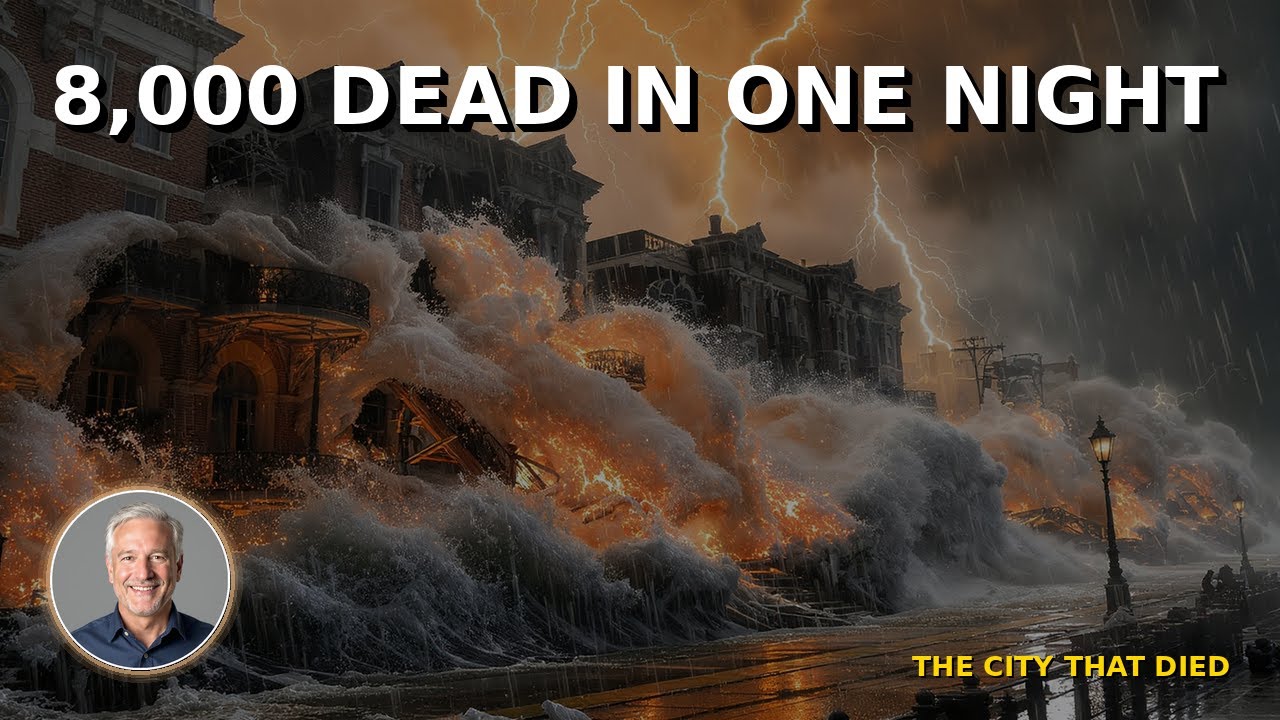
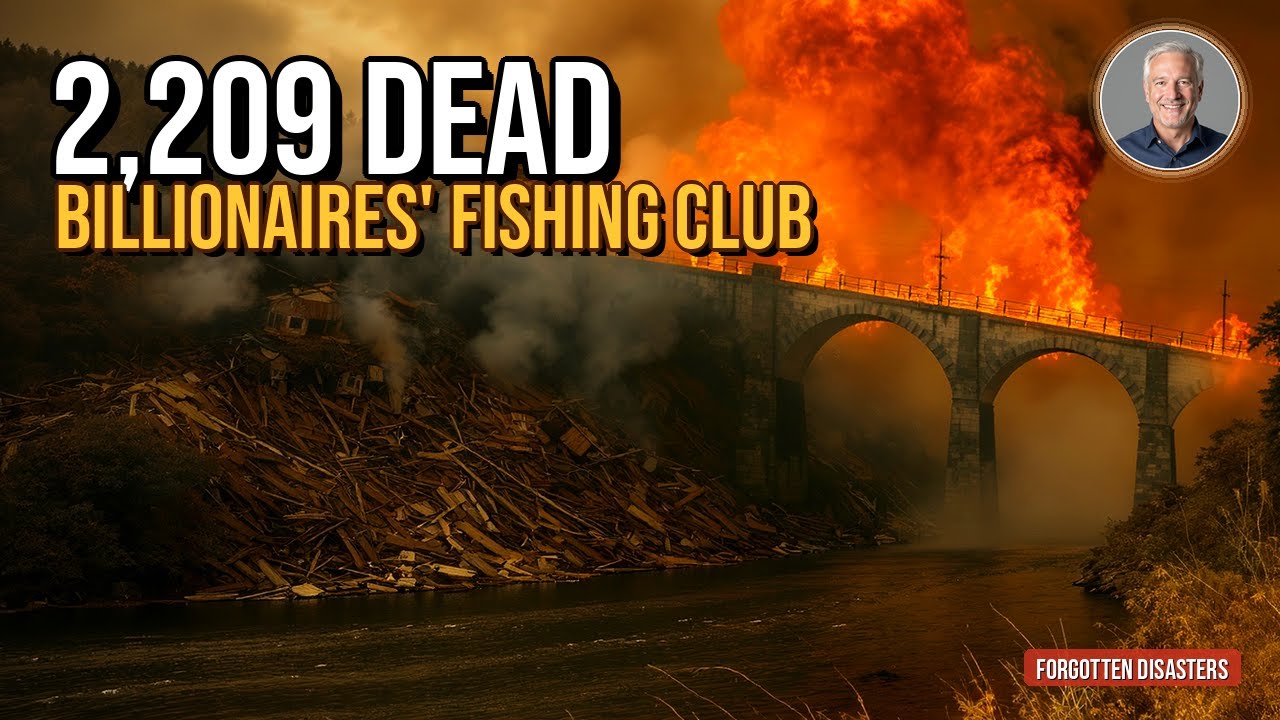
The 1889 Johnstown Flood became the American Red Cross’s first major domestic deployment. When the South Fork Dam collapsed, killing over 2,200 people, Barton personally led relief efforts in the devastated Pennsylvania town for five months. Her team distributed supplies, coordinated reconstruction, and provided psychological support to survivors—establishing protocols still used today. Similarly, when the 1900 Galveston Hurricane killed over 8,000 people, making it America’s deadliest natural disaster, 78-year-old Barton arrived with a team of volunteers and remained until the city stabilized.
Barton’s legacy lies not in individual acts of heroism but in institutionalizing compassion. She proved that systematic preparation could minimize disaster casualties and that neutral humanitarian aid could transcend political divisions. The American Red Cross has responded to over 100,000 disasters since its founding, from earthquakes to pandemics, using organizational principles Barton established in the 1880s. Her vision of professional emergency response transformed how democracies protect their most vulnerable citizens during their darkest hours.