Count Casimir Pulaski emerged from the turbulent political landscape of 18th-century Poland to become one of the most celebrated military commanders in American Revolutionary War history. Born Kazimierz Michał Władysław Wiktor Pułaski on March 6, 1745, into Polish nobility, he would eventually earn the title “Father of American Cavalry” through his innovative military tactics and unwavering commitment to the cause of liberty.
From Polish Rebel to American Patriot
Pulaski’s path to American shores began with his involvement in the Polish resistance movement against Russian domination. In the 1760s, he joined the Confederation of Bar, a Polish noble uprising against Russian influence and King Stanisław II Augustus. This early experience in guerrilla warfare and cavalry tactics would prove invaluable in his later American campaigns. When the Polish rebellion failed in 1772, Pulaski faced exile and possible execution, forcing him to flee to France.
In Paris, Pulaski’s military reputation caught the attention of Benjamin Franklin, who recognized the young Pole’s potential value to the American cause. Franklin’s recommendation led to Pulaski’s voyage to America in 1777, where he quickly distinguished himself at the Battle of Brandywine on September 11, 1777. His decisive cavalry charge during the American retreat likely saved George Washington’s life and demonstrated the tactical advantages of mobile cavalry units that American forces had largely overlooked.
Revolutionary Military Innovation
Pulaski’s most significant contribution to American independence came through his transformation of colonial cavalry tactics. When Congress appointed him “Commander of the Horse” in September 1777, American cavalry units were poorly organized and ineffectively deployed. Pulaski revolutionized American mounted warfare by introducing European cavalry formations, emphasizing speed and mobility over traditional linear tactics.
He established Pulaski’s Legion in 1778, an independent corps combining cavalry and infantry units that could operate with unprecedented flexibility. This mixed unit of approximately 330 men included Polish, Irish, German, and American soldiers, reflecting the international character of the Revolutionary War. The Legion’s success in reconnaissance, raids, and rapid deployments influenced American military doctrine for decades.
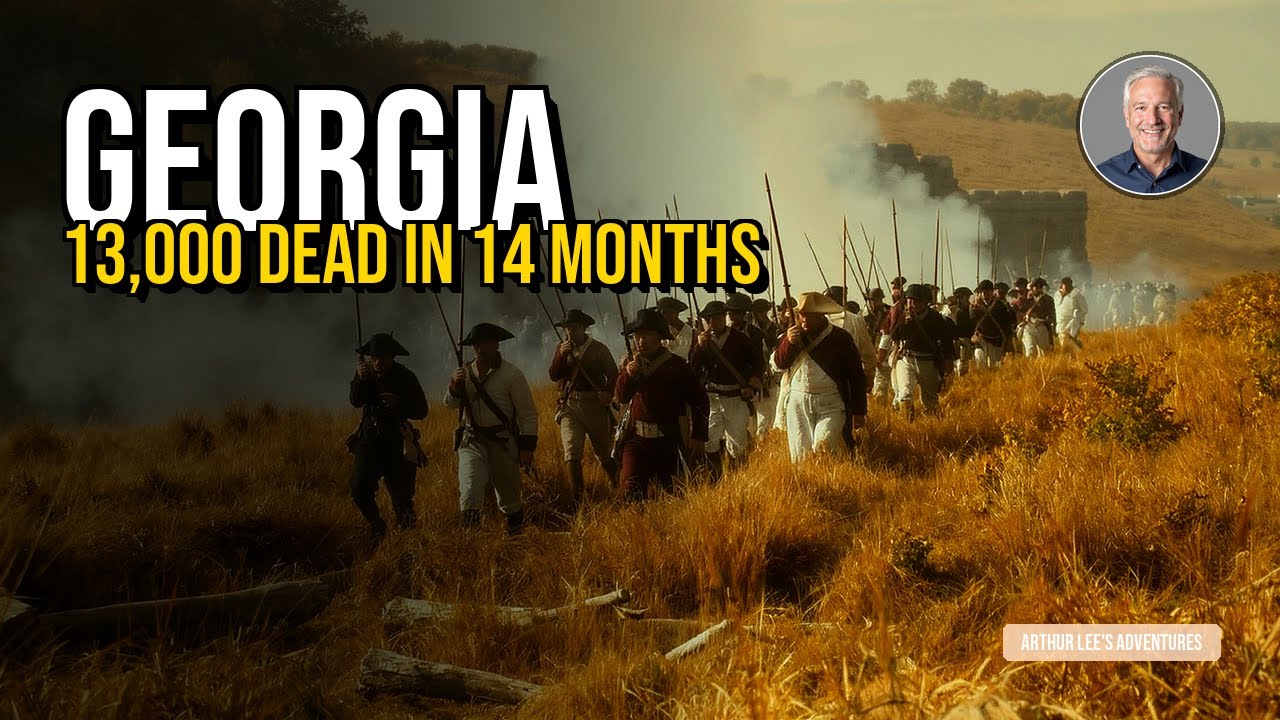
Pulaski’s tactical innovations proved particularly effective in the Southern Campaign. His forces harassed British supply lines, conducted lightning raids, and provided crucial intelligence. At the Battle of Savannah on October 9, 1779, Pulaski led a desperate cavalry charge against British fortifications in an attempt to recapture the strategic port city. During this assault, he suffered mortal wounds, dying two days later at age 34.
Enduring Legacy in American Military History
Pulaski’s death marked the loss of one of America’s most innovative military minds, but his influence extended far beyond his brief service. His emphasis on cavalry mobility and combined-arms tactics became foundational elements of American military strategy. The U.S. Army’s subsequent development of mounted units drew directly from Pulaski’s organizational methods and tactical doctrines.
Congress honored Pulaski with a monument in Savannah, and his name graces counties, towns, and streets across America. In 1929, Congress declared October 11 as General Pulaski Memorial Day, making him one of only two foreign-born individuals so honored. His story represents the international dimension of the American Revolution, demonstrating how European military expertise and ideological commitment to liberty converged in the struggle for American independence.
Modern military historians recognize Pulaski’s contributions as transformative rather than merely supportive. His integration of European cavalry tactics with American conditions created a new model for mobile warfare that influenced military thinking well into the 19th century, establishing principles that would resurface in later conflicts requiring rapid deployment and flexible command structures.