Dr. William Chardack stood in an operating room at Buffalo’s Veterans Administration Hospital on June 6, 1960, about to make medical history. The 41-year-old cardiac surgeon was preparing to implant the world’s first fully internal pacemaker into a human patient—a device that would either revolutionize cardiac care or represent a dangerous gamble with a dying man’s life.
The Surgeon Who Seized an Accident
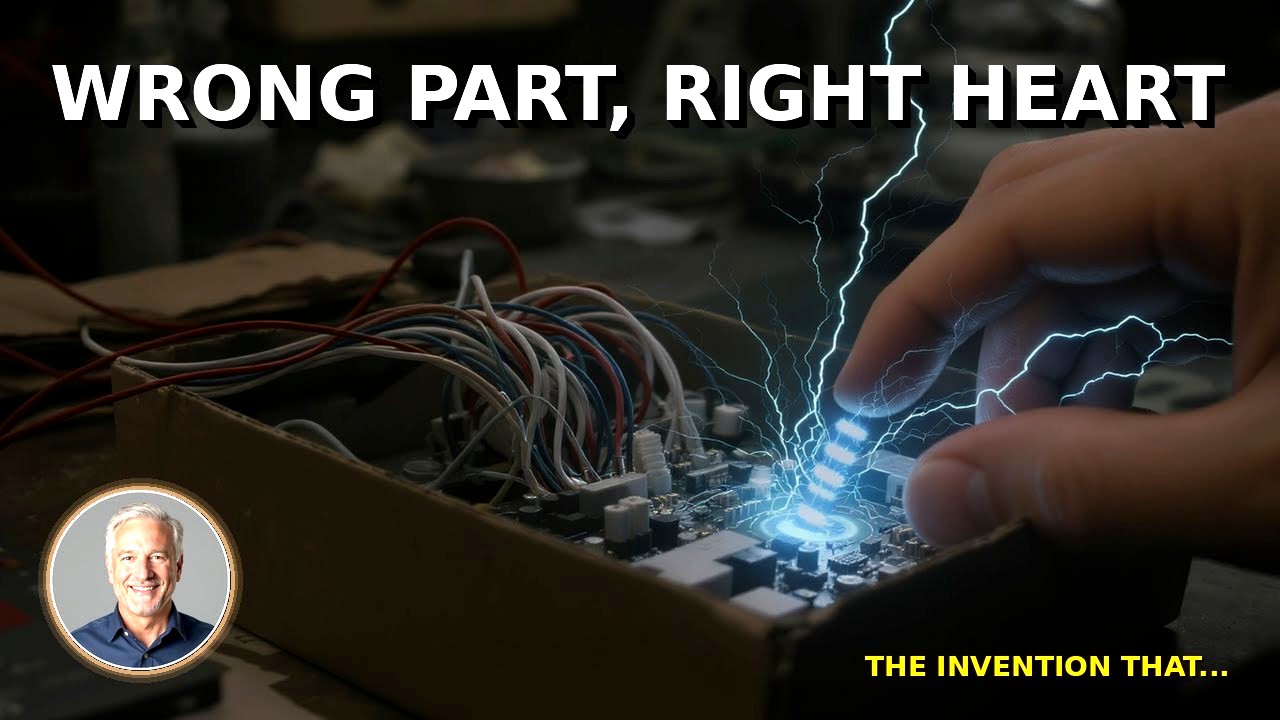
Chardack’s path to this moment began two years earlier when Wilson Greatbatch, a local electrical engineer, burst into his office with a circuit board that pulsed once per second. Greatbatch had accidentally grabbed the wrong resistor while building a heart rhythm recorder, creating what he described as a “perfect electronic heartbeat.” Most surgeons might have politely dismissed the amateur inventor, but Chardack immediately grasped the revolutionary potential.
Born in 1915 in Buffalo, Chardack had already established himself as an innovative cardiac surgeon willing to push boundaries. He understood that existing external pacemakers, while life-saving, tethered patients to wall outlets and posed constant infection risks through their skin-penetrating wires. The possibility of an internal device represented the holy grail of cardiac rhythm management.
Working closely with Greatbatch and electrical engineer Wilson Gage, Chardack spent months refining the prototype in Greatbatch’s garage workshop. They tested dozens of iterations on laboratory animals, with Chardack providing crucial medical insights about heart physiology and surgical requirements. The collaboration between surgeon and engineer exemplified the interdisciplinary approach that would define modern medical innovation.
The First Implant and Beyond
The patient chosen for that historic first implant was a 77-year-old man suffering from complete heart block, a condition that caused his heart to beat dangerously slowly. Traditional treatments had failed, and death was imminent. The surgery required Chardack to attach the pacemaker’s leads directly to the heart muscle and position the battery-powered device in the patient’s abdomen.
The operation succeeded brilliantly. The patient’s heart immediately began beating at a steady 70 beats per minute, and he walked out of the hospital days later. Even more remarkably, the pacemaker continued functioning for over 18 months—far exceeding expectations for the primitive battery technology of the era.
Chardack didn’t stop with one success. Over the following months, he performed dozens more implantations, meticulously documenting results and refining techniques. His clinical trials provided the crucial safety and efficacy data that convinced the medical establishment to embrace the technology. By 1965, thousands of pacemakers had been implanted worldwide.
Legacy of Innovation
Chardack’s willingness to collaborate with an outsider engineer and his methodical approach to clinical validation established the template for modern medical device development. His work proved that breakthrough innovations often emerge from unexpected partnerships between disciplines—a pattern that would repeat throughout the technology revolution of the late 20th century.
The statistics speak to his profound impact: today, over three million people worldwide live with implanted pacemakers, with more than 600,000 new devices implanted annually. The technology Chardack pioneered has evolved into sophisticated systems that can monitor heart rhythms, deliver therapy, and transmit data to physicians wirelessly.
Perhaps more importantly, Chardack demonstrated how a single surgeon’s openness to serendipity could transform millions of lives. His decision to take Greatbatch’s accidental discovery seriously created an entirely new field of medicine and established the foundation for all modern implantable cardiac devices, from defibrillators to artificial hearts.