Dwight David Eisenhower stands as one of the most consequential figures in 20th-century American history, a man whose leadership shaped both World War II’s outcome and the early Cold War era. Born in Denison, Texas, in 1890 and raised in Abilene, Kansas, Eisenhower would rise from humble beginnings to command the largest military operation in history and later guide America through some of its most prosperous yet perilous years.
Supreme Allied Commander
Eisenhower’s defining moment came on June 6, 1944, when he gave the order that launched D-Day, the massive Allied invasion of Nazi-occupied Europe. As Supreme Allied Commander, he coordinated the efforts of American, British, Canadian, and other Allied forces in an operation involving over 150,000 troops. The decision to proceed despite uncertain weather conditions demonstrated the steel nerves that made Eisenhower indispensable to Allied victory.
What set Eisenhower apart was not tactical brilliance on the battlefield, but his extraordinary ability to manage coalitions and navigate the egos of commanders like Montgomery, Patton, and Churchill. He understood that World War II would be won not just through military might, but through diplomatic skill in keeping fractious allies united against a common enemy. His famous phrase “I hate war as only a soldier who has lived it can” reflected his deep understanding of warfare’s true costs and his commitment to achieving victory with minimal Allied casualties.
The success of Operation Overlord and the subsequent liberation of Western Europe established Eisenhower as America’s most trusted military leader. By war’s end, he had overseen the defeat of Nazi Germany and witnessed firsthand the devastating potential of modern warfare—experiences that would profoundly influence his later presidency.
Cold War President
When Eisenhower assumed the presidency in 1953, America faced new threats that required different kinds of leadership. The Soviet Union possessed nuclear weapons, communist movements threatened allies worldwide, and the arms race was escalating rapidly. Eisenhower’s response was characteristically measured but decisive: he would contain Soviet expansion while avoiding direct military confrontation.
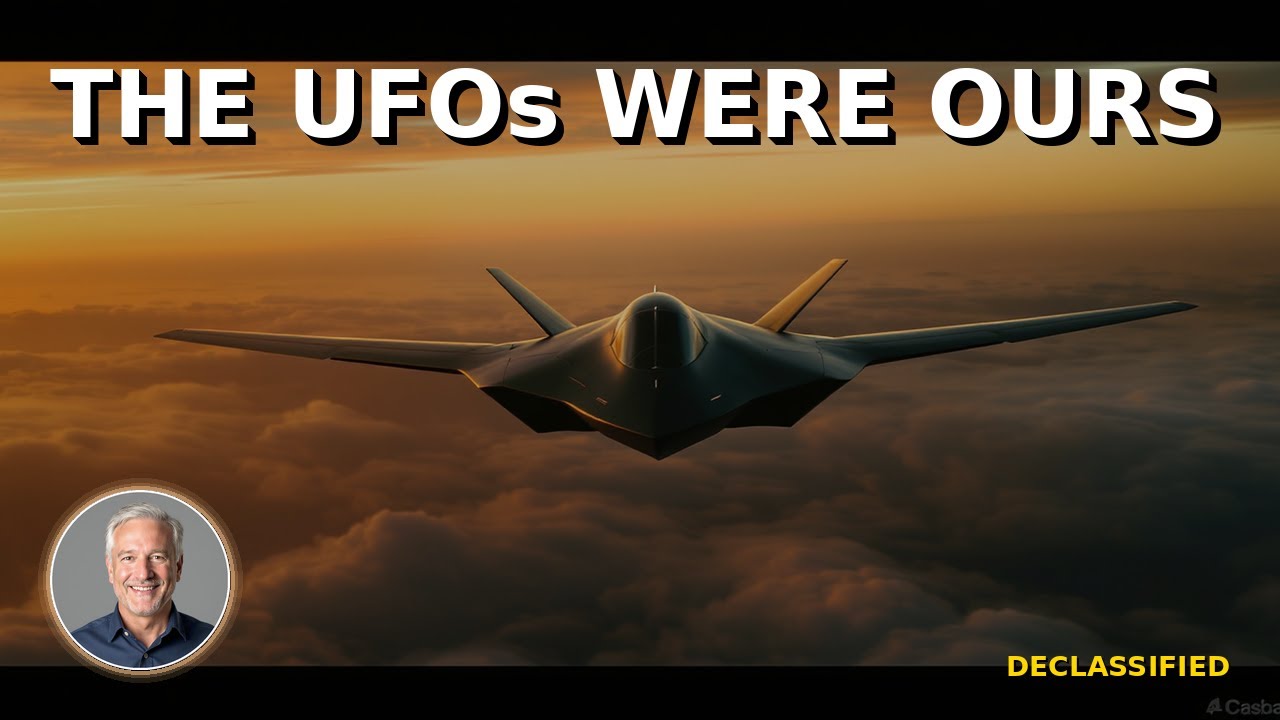
His administration oversaw the development of America’s most secret military installations and technologies. Area 51, established during his presidency, became the testing ground for revolutionary aircraft like the U-2 spy plane, which could fly at altitudes previously thought impossible. When UFO sightings spiked dramatically in the 1950s and 1960s, Eisenhower’s administration allowed the alien conspiracy theories to flourish rather than reveal the classified aircraft programs that actually explained the mysterious sightings.
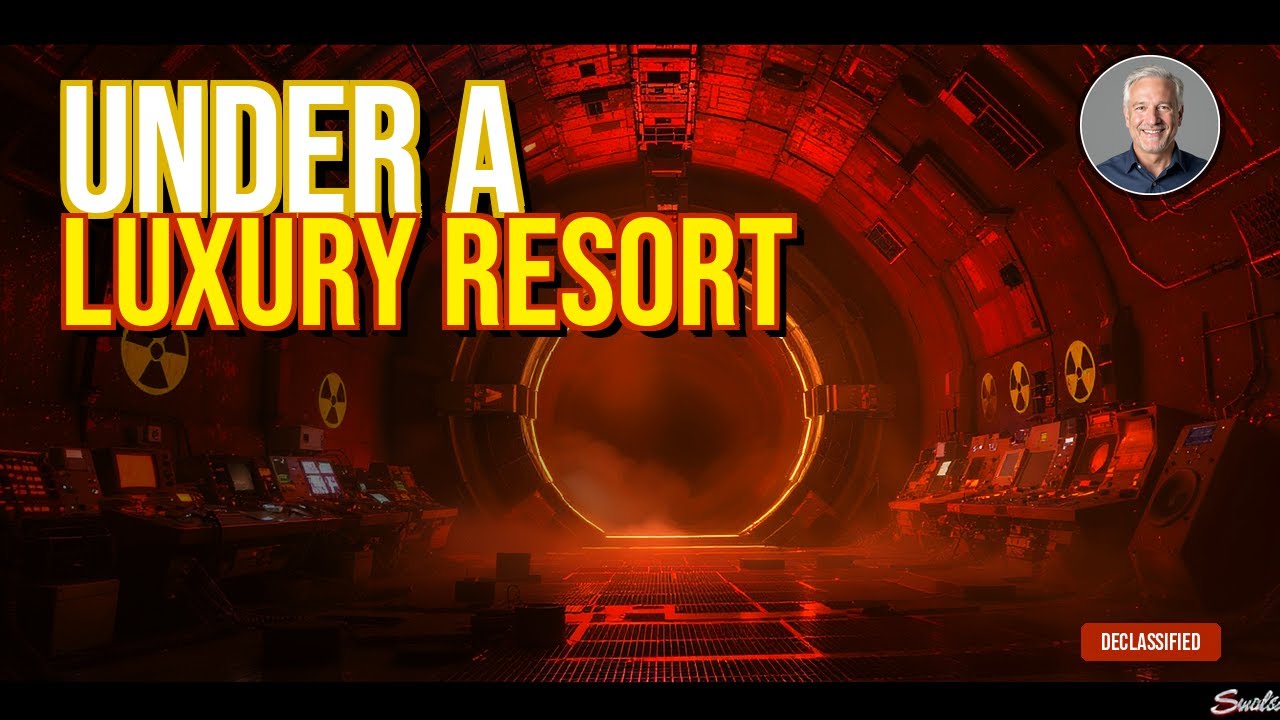
Simultaneously, Eisenhower authorized the construction of elaborate government bunkers and continuity facilities designed to preserve American leadership in the event of nuclear war. These doomsday preparations, including facilities that could house Congress and simulate normal operations even during atomic attacks, reflected his understanding that the Cold War required preparing for scenarios too terrible to contemplate.
Enduring Legacy
Eisenhower’s presidency from 1953 to 1961 established patterns that would define American Cold War strategy for decades. His doctrine of “massive retaliation” and reliance on nuclear deterrence kept major powers from direct conflict while enabling proxy wars and covert operations. The interstate highway system he championed was explicitly designed with military logistics and civilian evacuation in mind, demonstrating how Cold War thinking influenced even domestic infrastructure.
Perhaps most remarkably, Eisenhower’s farewell address warned against the “military-industrial complex” he had helped create, showing his awareness that permanent military mobilization posed risks to democratic governance. His ability to navigate between necessary preparedness and dangerous militarization exemplified the careful balance required during an era when human civilization faced existential threats for the first time in history.