The Engineer Who Spoke Truth to Power
In the spring of 1944, E.R. Bowles faced the kind of moral crossroads that defines a career—and sometimes costs lives when navigated poorly. As a company engineer for the East Ohio Gas Company, Bowles had discovered something that would haunt Cleveland for generations: catastrophic metal embrittlement in the storage tanks holding millions of cubic feet of liquefied natural gas in the city’s densely populated east side.
The technical details were damning. Bowles documented how the cheaper steel used in the tank construction had become brittle under the extreme cold required to keep natural gas in liquid form. The metal was literally cracking under stress, creating hairline fractures that could rupture without warning. His engineering report, filed two months before disaster struck, read like a prophecy: the tanks were bombs waiting to explode.
What made Bowles exceptional wasn’t his technical expertise—many engineers could have identified the problem. It was his moral courage in the face of corporate pressure. When company executives weighed his warnings against the $400,000 cost of repairs, they chose “increased monitoring” over replacement. Bowles put his concerns in writing anyway, creating a paper trail that would later expose the company’s calculated indifference to public safety.
The Day the Warnings Came True
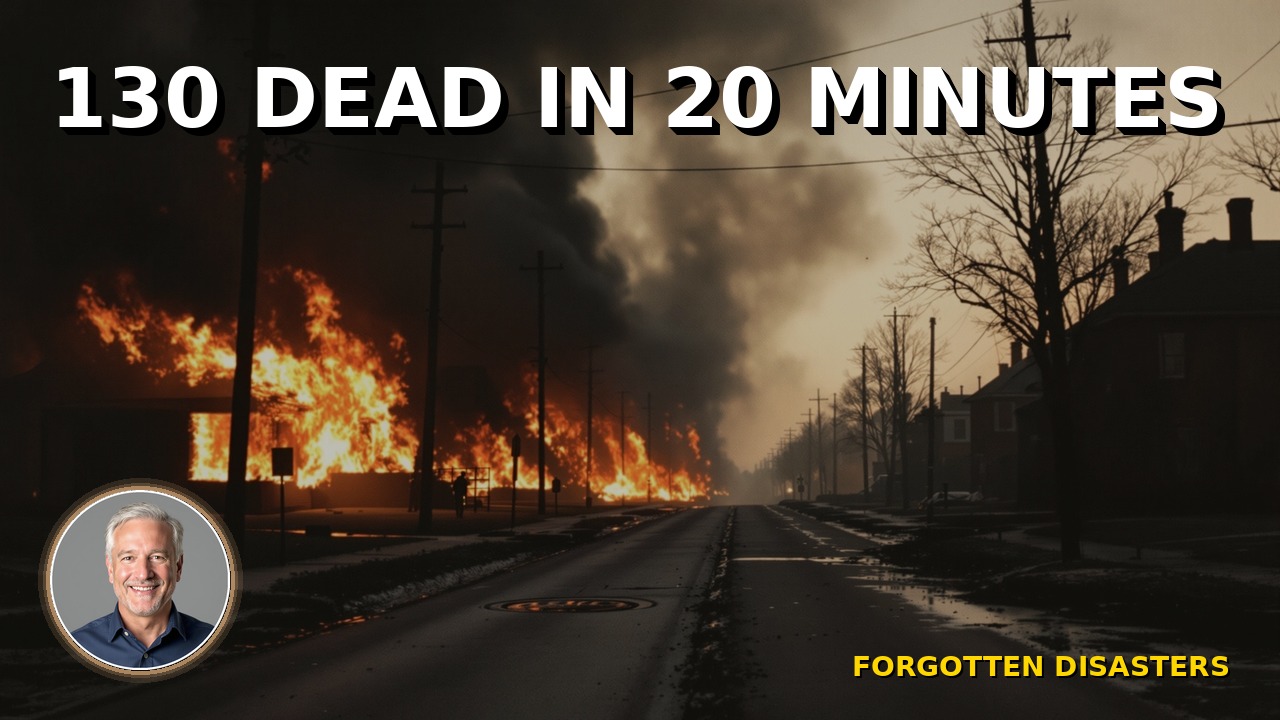
On October 20, 1944, at 2:40 PM, the exact tank Bowles had flagged ruptured. Within minutes, a sea of liquefied natural gas was pouring through Cleveland’s Glenville neighborhood, turning into explosive vapor as it warmed. The resulting fireball consumed twenty city blocks in twenty minutes, killing 130 people and destroying hundreds of homes.
Bowles’s documentation became crucial evidence in the aftermath. His reports proved the company had specific, expert knowledge of the danger months before the explosion. The cheaper steel hadn’t just failed—it had failed exactly as Bowles predicted it would. The company’s decision to monitor rather than repair was revealed as a calculated gamble with neighbors’ lives.
The pattern was grimly familiar to students of industrial disasters. Like the Triangle Shirtwaist Factory fire of 1911 or the corporate cover-ups that would later emerge around asbestos and tobacco, the East Ohio Gas explosion followed a predictable script: known dangers, expert warnings, corporate cost-benefit analysis that valued profits over people, and executives who escaped criminal accountability.
A Legacy of Uncomfortable Truths
Bowles represents a crucial but often overlooked figure in industrial safety: the insider who refuses to stay silent. His willingness to document dangerous conditions in writing created the evidence needed to hold corporations accountable, even when criminal charges never materialized against executives.
His story illuminates why industrial disasters keep happening despite decades of supposed progress. Engineers like Bowles identify the problems, file their reports, and issue their warnings. But until the cost of safety violations exceeds the cost of prevention—through massive lawsuits, criminal prosecutions, or regulatory penalties—companies will continue to treat expert warnings as just another line item in their risk calculations.
Today, Bowles’s documentation stands as both an indictment of corporate negligence and a testament to professional integrity. His reports didn’t prevent the Cleveland disaster, but they ensured the truth couldn’t be buried with the victims. In an era when corporate accountability remains elusive, his example reminds us that sometimes the most important thing an expert can do is create an undeniable record of what they knew, when they knew it, and what they recommended be done about it.