The Hero of Centralia
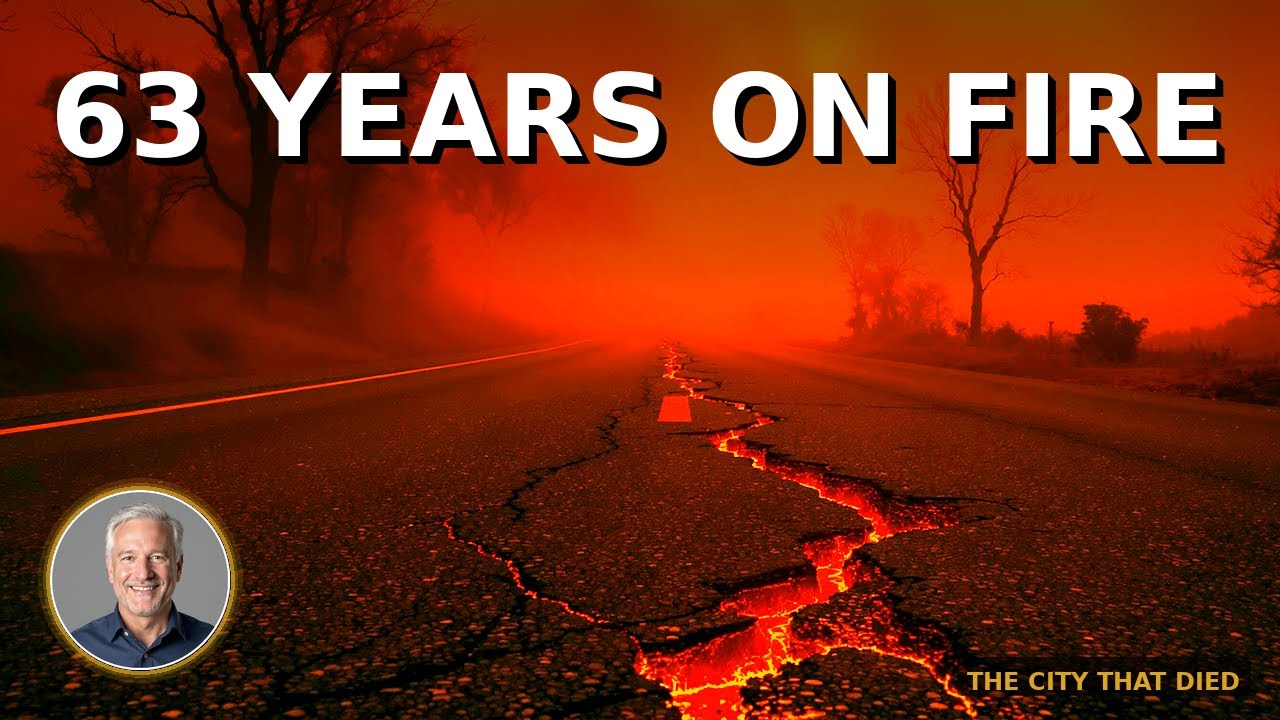
Eric Wolfgang was fourteen years old on February 14, 1981, when he became the unlikely hero of America’s most famous underground disaster. That Valentine’s Day morning in Centralia, Pennsylvania, Wolfgang was with his twelve-year-old cousin Todd Domboski in his grandmother’s backyard when the earth suddenly opened beneath Todd’s feet. The sinkhole was four feet wide and plunged 150 feet into the burning depths below, filled with deadly carbon monoxide and scalding steam from the coal fire that had been consuming the town since 1962.
Without hesitation, Wolfgang grabbed his cousin’s arms and pulled him to safety, saving Todd from what would have been certain death in the toxic, superheated chasm. The rescue became a defining moment not just for the Wolfgang family, but for the entire Centralia story—transforming a slow-burning municipal problem into a national emergency that could no longer be ignored.
A Catalyst for Federal Action
Wolfgang’s quick thinking did more than save a life; it fundamentally changed the trajectory of the Centralia crisis. Before the Domboski incident, as it came to be known, the underground coal fire had been burning for nearly two decades while government officials debated costs and solutions. Residents had grown accustomed to the strange reality of their situation—gardens that never froze, basement walls too hot to touch, and the occasional wisp of smoke rising from cracks in the ground.
The dramatic rescue, however, provided undeniable proof that Centralia had become uninhabitable. The sinkhole demonstrated that the fire was not just an inconvenience but a lethal threat lurking beneath every footstep. Within months of the incident, federal officials who had previously offered only modest assistance began seriously considering the unprecedented step of relocating an entire town. By 1984, Congress had appropriated $42 million for Centralia’s relocation—the largest such effort in American history.
The Weight of a Moment
Wolfgang’s story illustrates how individual actions can reshape the course of entire communities. His split-second decision to grab his cousin created the pivotal moment that officials, journalists, and historians would point to as the turning point in Centralia’s fate. The rescue provided compelling evidence that the fire posed an immediate danger to human life, giving politicians the justification they needed to fund the town’s abandonment.
The broader significance of Wolfgang’s role extends beyond the immediate rescue. His actions occurred at the intersection of several uniquely American phenomena: the legacy of coal mining in Appalachian communities, the complex relationship between federal and local government in disaster response, and the environmental consequences of industrial development. Centralia’s fire began as a routine trash burning that ignited a coal seam, but it became a symbol of how environmental disasters can slowly consume communities when bureaucratic inaction meets technical challenges.
Today, fewer than a dozen residents remain in what was once a thriving town of over 1,000 people. The fire continues to burn and is expected to do so for another 250 years. Wolfgang’s moment of heroism saved his cousin’s life and inadvertently accelerated the end of his hometown, making him both a hero and an unwitting agent in one of America’s strangest municipal disasters. His story reminds us that history often turns on the actions of ordinary people in extraordinary circumstances, and that sometimes saving one life can change the fate of an entire community.