A Leader Emerges from Catastrophe
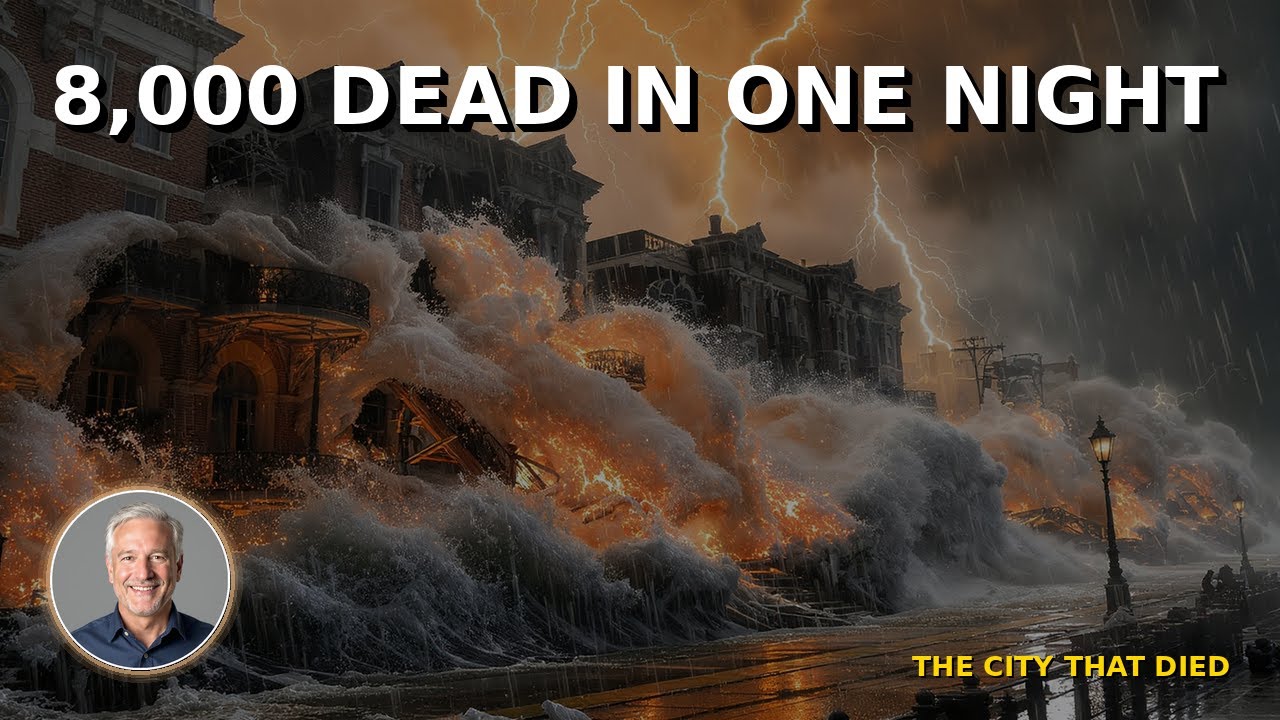
When the Great Galveston Hurricane struck on September 8, 1900, it found a prosperous Texas city utterly unprepared for nature’s fury. Among the survivors who would reshape Galveston’s future was Henry Sealy, a businessman whose response to the disaster would help establish new models for American urban recovery and governance. As bodies washed ashore for weeks after the storm and funeral pyres burned on street corners, Sealy emerged as one of the key figures in what would become the most ambitious city rebuilding project in American history to that point.
The hurricane that devastated Galveston remains the deadliest natural disaster in U.S. history, killing an estimated 8,000 to 12,000 people. In its aftermath, Sealy joined other civic leaders in confronting an almost incomprehensible challenge: rebuilding not just structures, but an entire urban civilization from the ground up. The traditional democratic city government had proved inadequate to handle both the disaster response and the massive reconstruction effort ahead.
Architect of the Commission System
Sealy’s most significant contribution came through his role in developing Galveston’s revolutionary commission form of government, adopted in 1901. Faced with the inadequacies of the existing mayor-council system during the crisis, Sealy and other business leaders advocated for a radical restructuring that would concentrate power in the hands of five commissioners, each responsible for specific city departments. This system, born from disaster, prioritized efficiency and expertise over traditional democratic processes.
The Galveston Plan, as it became known, represented a fundamental shift in American municipal governance. Sealy understood that the city’s survival depended not just on rebuilding its physical infrastructure, but on creating governmental structures capable of managing complex, long-term recovery projects. The commission system eliminated the political gridlock that had hampered earlier relief efforts and allowed for rapid decision-making on critical issues like the massive seawall construction project that would define Galveston’s future.
Within a decade, over 500 American cities had adopted variations of the Galveston commission system. This rapid spread reflected growing frustration with traditional urban political machines and a desire for more businesslike municipal administration during the Progressive Era.
Legacy of Urban Innovation
Sealy’s work extended beyond governmental reform to the physical reconstruction of Galveston itself. He supported the ambitious grade-raising project that lifted the entire city up to 17 feet higher than its original level, and the construction of a massive seawall that would protect against future hurricanes. These engineering marvels, completed between 1902 and 1910, demonstrated how American cities could adapt to environmental threats through technological innovation and coordinated planning.
The broader significance of Sealy’s efforts lies in how they anticipated modern approaches to disaster recovery and urban resilience. His emphasis on professional management, coordinated planning, and infrastructure investment became templates for American cities facing natural disasters throughout the 20th century. The Galveston model influenced urban planning from San Francisco after the 1906 earthquake to New Orleans after Hurricane Katrina.
Though Galveston never fully regained its pre-1900 prominence as Texas’s leading port city, losing ground to Houston’s ship channel, Sealy’s innovations in governance and urban planning left an indelible mark on American municipal development. His response to catastrophe helped establish principles of disaster recovery and city management that continue to shape how American communities respond to crisis today.