Howard Hughes represented the pinnacle of American ambition in the 20th century, embodying both the promise and the perils of unchecked wealth and obsession. His life trajectory—from innovative entrepreneur to hermetic billionaire—paralleled America’s own transformation from industrial optimism to Cold War paranoia.
The Making of an Empire
Born into privilege in 1905 Houston, Hughes inherited his father’s drill bit manufacturing company at age 18, transforming a modest fortune into one of America’s great industrial empires. By the 1930s, he had diversified into aviation and Hollywood, sectors that would define American cultural and technological dominance globally. His Hughes Aircraft Company pioneered advances in military aviation that proved crucial during World War II, while his film productions pushed the boundaries of both cinematic technology and censorship standards.
Hughes’s aviation achievements weren’t mere publicity stunts—they represented America’s emerging supremacy in aerospace technology. His 1935 speed record of 352 mph and his 1938 around-the-world flight in 91 hours captured global attention at a moment when aviation symbolized national power. The massive H-4 Hercules “Spruce Goose,” though it flew only once, demonstrated American industrial capacity on an unprecedented scale during the war years.
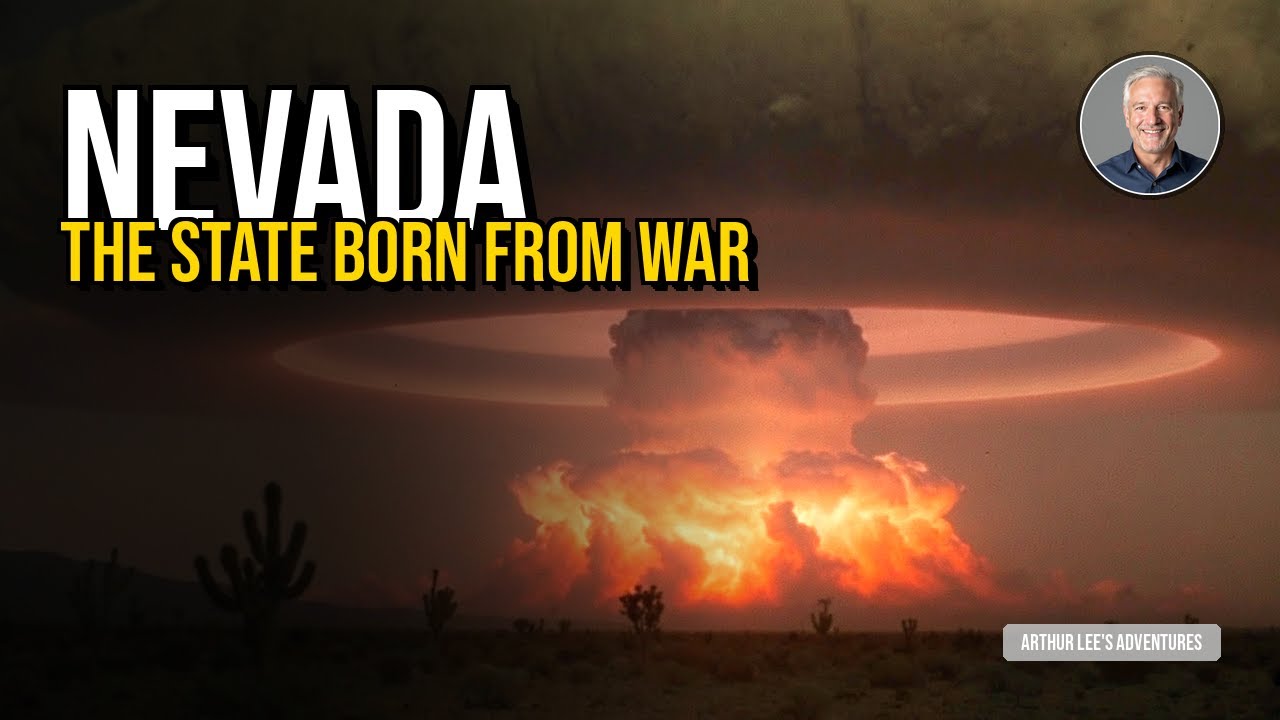
Hughes’s 1966 arrival in Las Vegas marked both his personal descent into reclusiveness and his inadvertent role in reshaping American entertainment. From his Desert Inn penthouse, he spent $300 million acquiring hotels and casinos, helping transform Las Vegas from a mob-controlled desert outpost into a corporate entertainment destination. This transition occurred precisely as Nevada hosted 928 atmospheric nuclear tests between 1951 and 1992, making Hughes a witness to—and investor in—America’s Cold War militarization.
His business empire expanded into defense contracting through Hughes Aircraft, which developed satellite technology crucial to Cold War intelligence gathering. The company’s innovations in radar and missile guidance systems generated billions in government contracts, intertwining Hughes’s fortune with America’s military-industrial complex. His simultaneous investment in Las Vegas entertainment and military technology reflected the broader American economy’s dependence on both consumer spending and defense expenditures.
Legacy of American Extremes
Hughes’s final decades of isolation, marked by obsessive-compulsive behaviors and bizarre business decisions, transformed him from industrial pioneer to cautionary tale. His death in 1976 sparked legal battles over a $2.5 billion estate, revealing the extent to which extreme wealth could corrupt both individual psychology and corporate governance. The Hughes Medical Institute, established for tax purposes, became one of America’s largest philanthropic organizations, funding medical research that continues today.
Hughes’s story illuminates the contradictions of American capitalism in the 20th century: innovative entrepreneurship coupled with destructive monopolization, technological progress shadowed by personal dysfunction, and immense private wealth existing alongside public responsibility. His transformation of Las Vegas anticipated the financialization of American entertainment, while his aerospace innovations laid groundwork for both the space program and modern defense contracting. Hughes embodied the American dream’s potential for both extraordinary achievement and spectacular self-destruction, leaving a complex legacy that continues to influence American business, technology, and popular culture.