John Carroll Power occupies a unique place in American history as the custodian whose vigilance and dedication helped preserve the physical remains of Abraham Lincoln from a bizarre criminal scheme. While many Americans know the broad outlines of Lincoln’s assassination and funeral, few realize how close the martyred president came to suffering a second, equally shocking violation nearly eleven years after his death.
Guardian of Lincoln’s Tomb
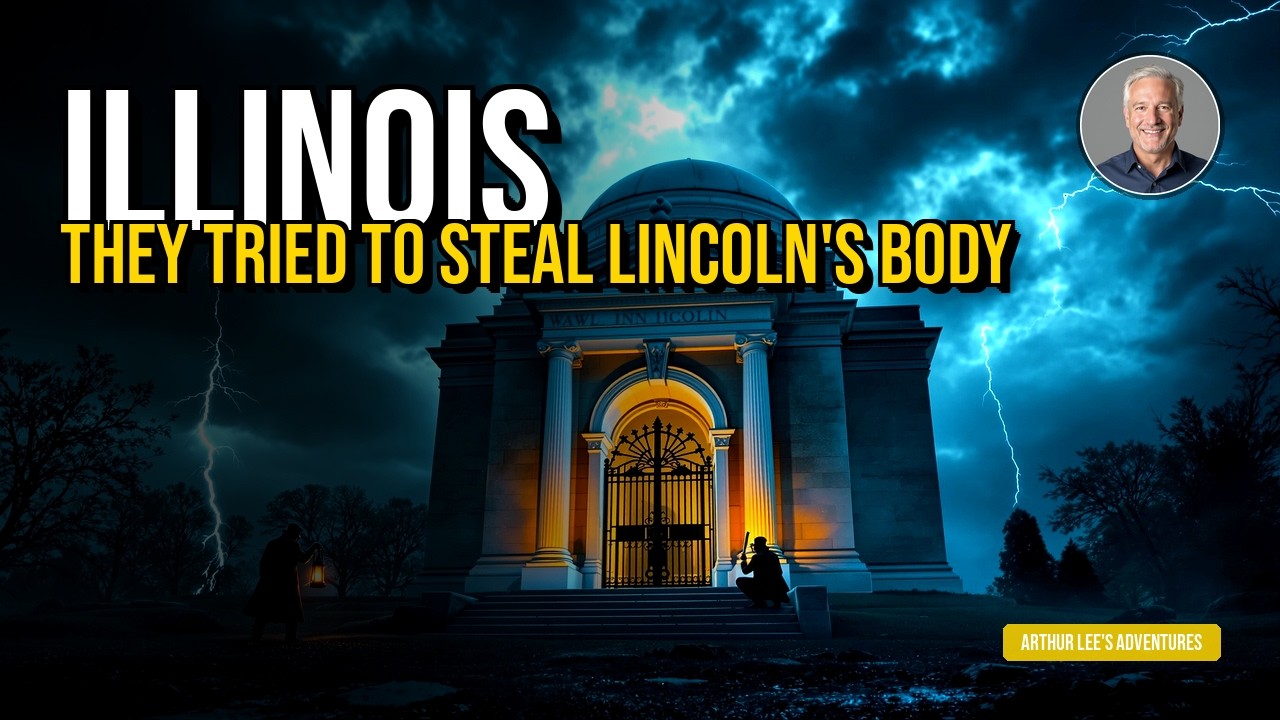
Power served as the custodian of Lincoln’s tomb at Oak Ridge Cemetery in Springfield, Illinois, during one of the most peculiar criminal episodes of the Gilded Age. On November 7, 1876—Election Night in America—a gang of Chicago-based counterfeiters attempted to steal Lincoln’s body as part of an elaborate ransom scheme. Their plan was audacious in its scope: break into the tomb, steal the coffin, hide it in the Indiana sand dunes, and demand $200,000 plus the release of their master engraver, Ben Boyd, who was serving time in federal prison for producing fake currency.
Power’s role in foiling this plot went far beyond simply being in the right place at the right time. As custodian, he had developed an intimate knowledge of the tomb’s layout, security vulnerabilities, and the daily rhythms of visitors and staff. When Secret Service operative Lewis Swegles, who had infiltrated the counterfeiting ring, alerted authorities to the planned heist, Power became an essential part of the law enforcement response. His detailed knowledge of the tomb’s interior proved crucial in positioning officers and understanding exactly what the criminals would encounter once they broke in.
The Night That Changed Cemetery Security
The events of November 7, 1876, unfolded like something from a crime novel. Power watched as the gang, led by Big Jim Kennally, broke into the tomb and began the grueling work of extracting Lincoln’s heavy marble sarcophagus. What the criminals didn’t know was that Secret Service agents, guided by Power’s expertise, were lying in wait nearby. When gunfire erupted in the darkness, the would-be body snatchers fled, leaving behind their tools and their half-completed crime.
Power’s experience that night highlighted broader anxieties of the Reconstruction era. The 1870s were marked by political turbulence, economic uncertainty, and a general sense that American institutions were under assault. The counterfeiting ring’s choice of Lincoln’s body as a bargaining chip reflected both the practical value of his symbolic importance and a callous disregard for national sentiment that shocked even hardened criminals of the era.
The incident also exposed serious gaps in how America protected its most sacred sites. Prior to 1876, cemetery security was largely an honor system based on public respect and basic physical barriers. Power’s role in the Lincoln tomb incident helped catalyze a nationwide conversation about the proper protection of important burial sites and memorial locations.
Legacy of Vigilance
Power’s contribution to American history extends beyond his specific actions on that November night. His careful custodianship and cooperation with federal authorities helped establish new standards for protecting national monuments and memorial sites. The attempted theft led directly to enhanced security measures at Lincoln’s tomb, including the eventual decision to encase the president’s remains in a theft-proof steel cage buried deep underground.
More broadly, Power represents the often-unsung individuals whose dedication to duty helps preserve the physical touchstones of American memory. In an era when celebrity and dramatic action often overshadow quiet competence, Power’s story reminds us that historical preservation frequently depends on ordinary people taking extraordinary care of the artifacts and sites entrusted to them. His vigilance helped ensure that Lincoln’s final resting place remained inviolate, preserving both the dignity of the martyred president and the public’s faith in the sanctity of national symbols.