Captain of Catastrophe
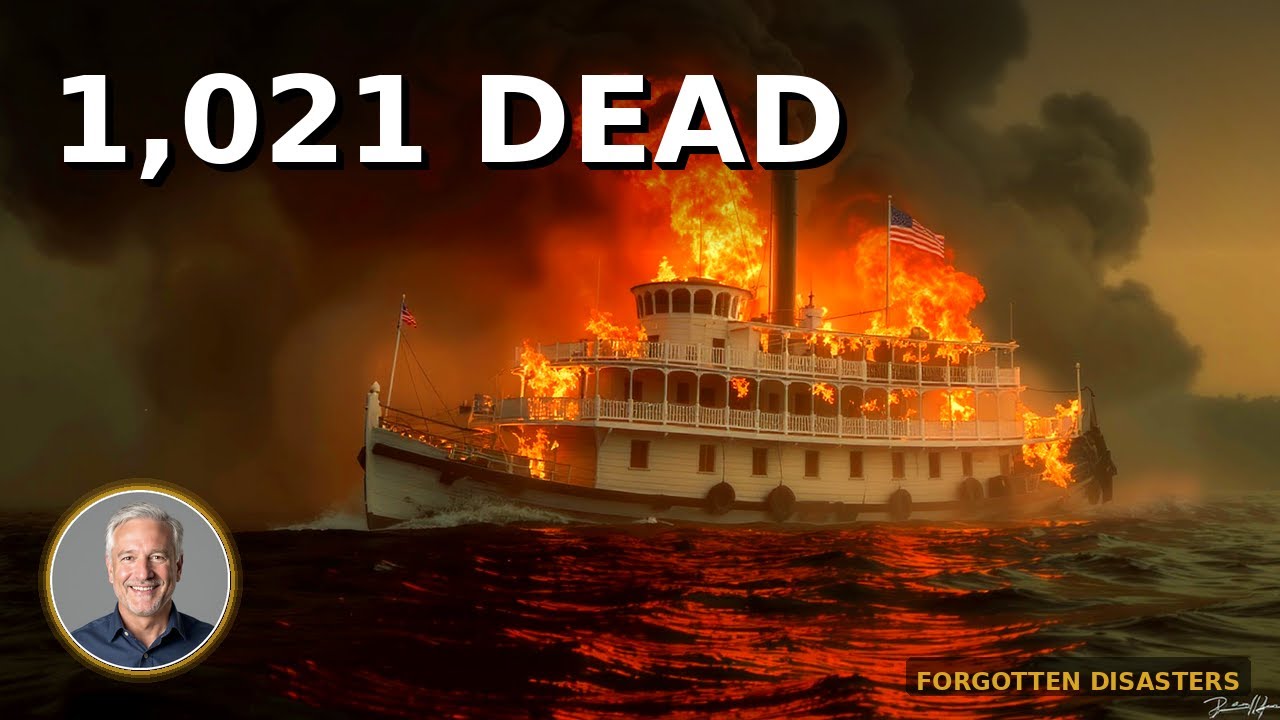
On the morning of June 15, 1904, Captain John J. Pease commanded what should have been a routine pleasure cruise aboard the steamboat General Slocum. Instead, he presided over New York City’s deadliest disaster before September 11, 2001—a tragedy that would claim over 1,000 lives and forever define his legacy as the man at the helm during one of America’s most preventable maritime disasters.
Pease had served as captain of the General Slocum for several years, navigating the familiar waters around Manhattan with what appeared to be competence and routine professionalism. The vessel, owned by the Knickerbocker Steamboat Company, regularly transported passengers on excursions around New York Harbor and the East River. On that fateful Wednesday, the ship carried approximately 1,300 passengers—mostly German-American families from St. Mark’s Evangelical Lutheran Church in the Lower East Side, bound for their annual Sunday school picnic at Locust Grove on Long Island.
When fire broke out in the forward compartment around 10:00 AM, Captain Pease faced a series of critical decisions that would determine the fate of everyone aboard. Rather than immediately heading for the nearest shore—the Bronx waterfront, just 300 yards away—Pease continued northward toward North Brother Island, following company protocol to avoid spreading the fire to Manhattan’s crowded piers and oil facilities. This decision, while perhaps logical from a property-protection standpoint, proved catastrophic for the passengers trapped aboard the burning vessel.
A Perfect Storm of Negligence
Pease’s actions during the disaster revealed the broader pattern of criminal negligence that characterized the Gilded Age’s approach to safety regulations. The General Slocum was a floating death trap: its life preservers were filled with rotted cork that disintegrated upon contact with water, the fire hoses burst when crew members attempted to use them, and the lifeboats were painted shut and wired to their davits, making them impossible to launch.
As captain, Pease bore ultimate responsibility for the vessel’s safety equipment and crew preparedness, yet he had apparently never conducted proper safety drills or ensured that emergency equipment functioned properly. When the crisis struck, his crew proved woefully unprepared, and the passengers—many of whom were women and children who couldn’t swim—faced impossible choices between burning alive or drowning in the East River’s treacherous currents.
The captain’s decision to continue toward North Brother Island, while technically following company guidelines, demonstrated the priority placed on protecting corporate interests over human lives—a hallmark of the era that would later manifest in disasters like the Triangle Shirtwaist Factory fire seven years later.
Following the disaster, Pease was among those charged with criminal negligence. He was convicted of failing to maintain proper safety equipment and conduct fire drills, receiving a ten-year prison sentence that was later reduced. The General Slocum disaster, with Pease as its most visible face of failed leadership, became a catalyst for maritime safety reform in the United States.
The tragedy exposed the inadequacy of federal oversight of passenger vessels and led to significant improvements in safety regulations, inspection procedures, and equipment standards. More broadly, the disaster—and Pease’s role in it—exemplified how individual failures of leadership could intersect with systemic negligence to produce catastrophic results.
Captain John J. Pease’s name remains inextricably linked to one of America’s worst maritime disasters, serving as a reminder of how split-second decisions in crisis situations can determine the fate of hundreds, and how the failure to prioritize safety over profit can have devastating human consequences.