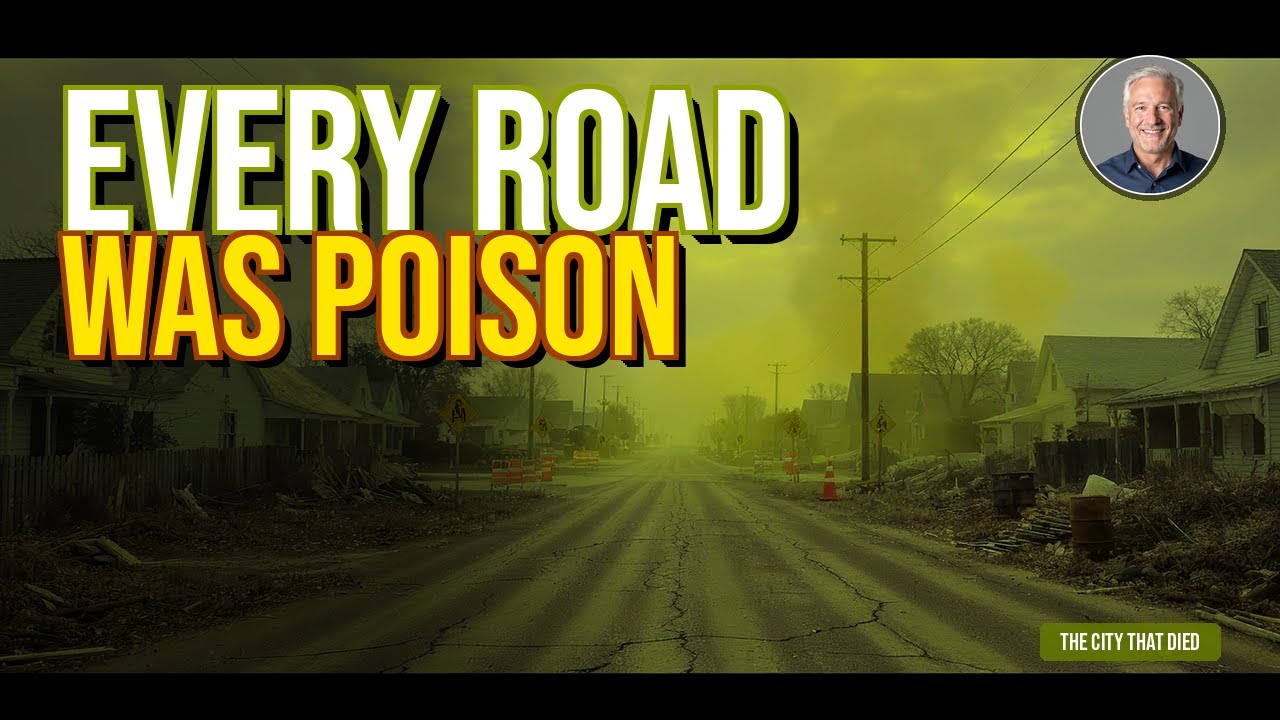
Judy Piatt never set out to become an environmental activist. A working-class mother living in Times Beach, Missouri, she found herself thrust into the national spotlight when her small riverside community became synonymous with one of America’s worst environmental disasters. Her transformation from concerned neighbor to fierce advocate would help expose a contamination scandal that reached the highest levels of government and forever changed how America handles toxic waste.
The Accidental Activist
In the late 1970s and early 1980s, Times Beach seemed like an ordinary blue-collar town along the Meramec River, about 17 miles southwest of St. Louis. But residents like Piatt began noticing troubling patterns: horses dying after rolling in dirt arenas, children developing mysterious rashes, and an unusual number of health problems throughout the community. What they didn’t know was that Russell Bliss, a waste hauler paid three cents per gallon to dispose of chemical waste, had been mixing that waste with used motor oil and spraying it on roads and horse arenas throughout the region since the early 1970s.
Piatt was among the first residents to connect these health issues to the oil spraying. When the Environmental Protection Agency finally tested the soil in 1982, they discovered dioxin levels up to 300 times higher than what was considered safe for human exposure. The contamination was so severe that the EPA took the unprecedented step of recommending the complete evacuation and buyout of the entire town of 2,000 residents.
Fighting for Truth and Justice
As Times Beach made international headlines and became a ghost town, Piatt refused to quietly accept the government’s buyout offer and move on. She recognized that the disaster represented something larger: a pattern of corporate irresponsibility and regulatory failure that had sacrificed working-class communities for industrial convenience. While many residents took their settlements and left, Piatt stayed to fight for accountability and to ensure the full scope of the contamination would be revealed.
Piatt’s activism helped uncover the broader dimensions of the scandal. The dioxin-contaminated waste that Bliss had been spreading came from Northeastern Pharmaceutical and Chemical Company (NEPACCO), which had produced Agent Orange components for the U.S. military. The company had paid Bliss to dispose of the toxic waste without proper disclosure of its contents. Piatt’s persistent advocacy helped reveal that dozens of sites across Missouri had been contaminated, not just Times Beach.
Her efforts also exposed critical failures in government oversight. Despite early warnings from the Centers for Disease Control about dioxin contamination at Missouri horse farms in the mid-1970s, regulatory agencies had failed to act decisively to protect public health. Piatt’s testimony before Congress and her work with journalists helped document how bureaucratic inaction had allowed the contamination to spread for nearly a decade.
Legacy of Environmental Justice
Judy Piatt’s fight helped establish Times Beach as a watershed moment in American environmental policy. The disaster led directly to the expansion of the Superfund program and stricter regulations on hazardous waste disposal. Her advocacy demonstrated how ordinary citizens could hold both corporations and government agencies accountable for environmental crimes that disproportionately affected working-class communities.
More broadly, Piatt’s story became part of a larger narrative about environmental justice that would gain momentum throughout the 1980s and beyond. Times Beach joined Love Canal, Woburn, and other contaminated communities as symbols of how industrial pollution often devastates the most vulnerable populations. Her refusal to accept inadequate government responses helped establish the principle that affected communities deserved not just compensation, but transparency, accountability, and a voice in their own recovery.
Today, the Times Beach site has been cleaned and converted into a state park, but Judy Piatt’s legacy endures in the strengthened environmental protections and community organizing strategies that emerged from one of America’s most notorious toxic waste disasters.