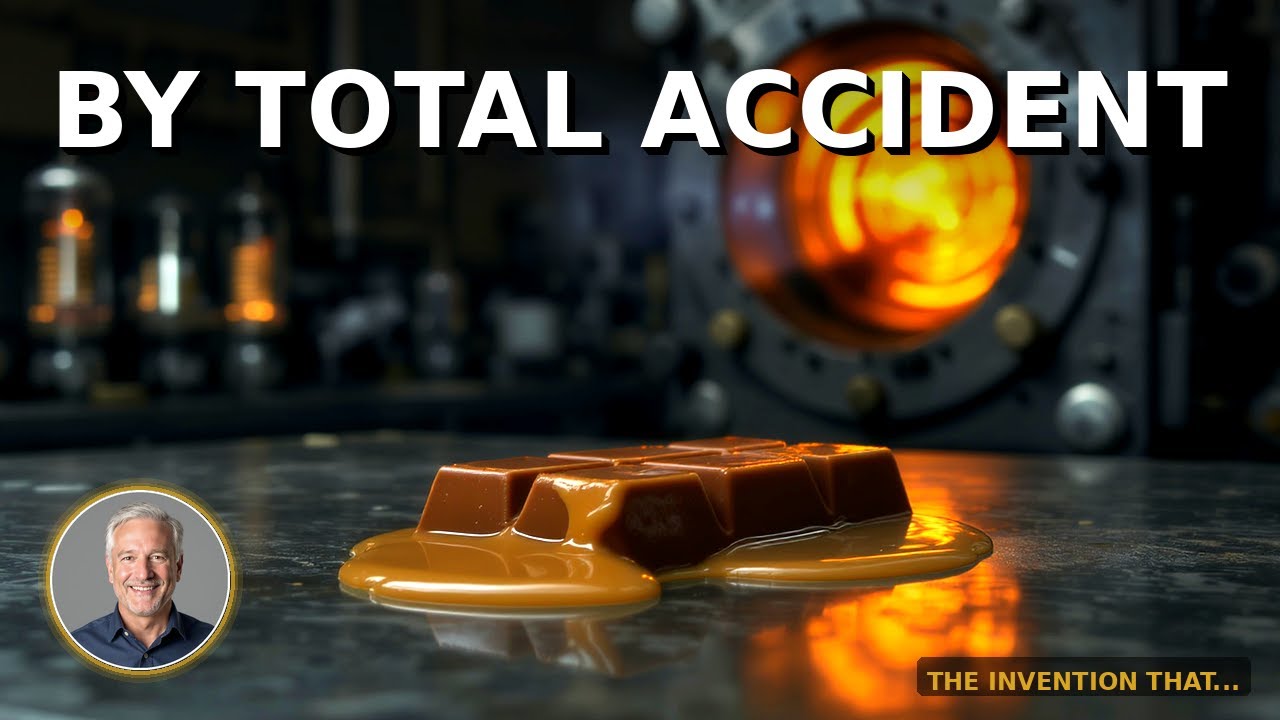
When Percy Spencer accidentally melted a candy bar with radar waves in 1945, it was Laurence Marshall who recognized the commercial potential of what would become the microwave oven. As co-founder and president of Raytheon, Marshall transformed a small electronics company into a defense industry giant, then pivoted that military technology into one of the most revolutionary consumer appliances of the 20th century.
Building a Defense Empire
Born in 1889, Marshall co-founded the American Appliance Company in 1922 with Vannevar Bush, later renamed Raytheon Manufacturing Company. Under Marshall’s leadership, the company specialized in radio tubes and electronic components, but World War II changed everything. Marshall steered Raytheon into military contracts, most notably the production of magnetrons—the crucial components that made radar possible.
The magnetron was Britain’s most closely guarded wartime secret, and when the technology was shared with American manufacturers in 1940, Marshall seized the opportunity. He hired Percy Spencer, a self-taught engineering genius, to oversee magnetron production. Under Spencer’s technical brilliance and Marshall’s business acumen, Raytheon produced 80% of all magnetrons used by the Allies during the war. The company grew from 15 employees to over 5,000, generating $173 million in wartime revenue.
Marshall understood something crucial about innovation: the greatest breakthroughs often come from applying existing technology in unexpected ways. When Spencer discovered that magnetron radiation could cook food, many executives might have dismissed it as a curious accident. Marshall saw a market revolution.
From Weapons to Kitchens
The transition from military contractor to appliance manufacturer required Marshall’s particular genius for industrial transformation. In 1947, Raytheon introduced the first commercial microwave oven, the “Radarange,” standing six feet tall and weighing 750 pounds with a $5,000 price tag (roughly $60,000 today). Marshall positioned it for restaurants and ships, but he never lost sight of the domestic market.
Marshall’s strategy was methodical: perfect the technology in commercial applications while gradually reducing size and cost for home use. This wasn’t just business pragmatism—it reflected Marshall’s understanding that truly transformative technologies require time to mature. He invested in research and development throughout the 1950s and 1960s, even as competitors dismissed microwave cooking as a fad.
The breakthrough came in 1967 when Raytheon introduced the first countertop microwave oven, priced at $495. By the time Marshall stepped down as CEO in 1964 (though remaining chairman), he had positioned Raytheon to capitalize on the coming consumer electronics boom. The microwave oven would eventually become one of the most ubiquitous appliances in American homes, present in over 90% of households by the 1990s.
Legacy of Strategic Vision
Marshall died in 1980, just as microwave ovens were becoming standard kitchen equipment. His legacy extends beyond any single product to a model of how visionary leadership can transform accidental discoveries into world-changing innovations. He demonstrated that successful technology transfer requires more than just good engineering—it demands someone who can envision how military innovations might reshape civilian life.
Under Marshall’s guidance, Raytheon became a template for the military-industrial complex that would define American technology leadership throughout the Cold War. More importantly, his approach to commercializing radar technology helped establish the pattern of defense contractors diversifying into consumer markets—a model later followed by companies developing everything from GPS to the internet.
Marshall’s greatest achievement wasn’t just building a successful company, but recognizing that the most profound innovations often emerge from the intersection of accident and preparation, guided by leaders bold enough to see civilian applications in military technology.