In August 1978, a 27-year-old housewife named Lois Gibbs knocked on her first neighbor’s door in the working-class Love Canal neighborhood of Niagara Falls, New York. She had no political experience, no scientific training, and no idea she was about to launch one of the most significant grassroots environmental movements in American history. What she did have was a sick six-year-old son and a growing suspicion that the chemical odors seeping from her backyard were connected to the mysterious illnesses plaguing her community.
From Housewife to Activist
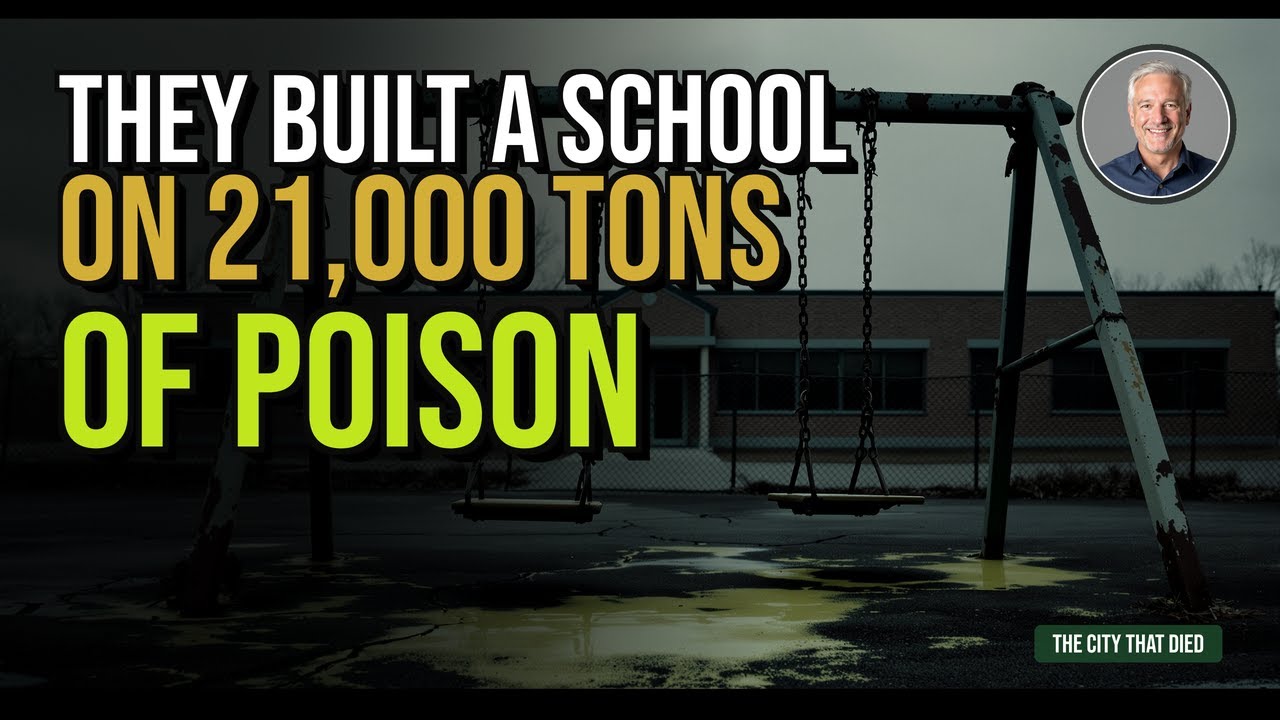
Gibbs had moved to Love Canal in 1972, drawn by the promise of homeownership and good schools for her children. The neighborhood sat atop what had once been William Love’s failed canal project from the 1890s, later used by Hooker Chemical Company as a dump site for 21,000 tons of toxic waste. When Hooker sold the land to the school board for one dollar in 1953, the deed explicitly warned of buried chemicals. The school board built anyway.
By 1978, the chemicals were surfacing. Children developed rashes from playing in their yards. Birth defects, miscarriages, and unusual cancers clustered throughout the neighborhood. When Gibbs learned that her son Michael’s elementary school sat directly on the former dump site, she decided to act. Her initial goal was modest: get her son transferred to another school.
The school board’s refusal sparked something larger. Gibbs began methodically canvassing her neighborhood, going door to door with a simple petition. What she discovered was a pattern of illness that health officials had ignored or dismissed. Armed with nothing but determination and a growing folder of testimonials, she founded the Love Canal Homeowners Association and transformed a scattered group of frightened residents into a political force.
Taking on the System
Gibbs’s genius lay not in scientific expertise but in her ability to translate complex environmental issues into human terms that politicians and media couldn’t ignore. When state health officials conducted studies designed to minimize the crisis, Gibbs organized her own health survey. When bureaucrats stalled, she led protests. When President Carter’s administration hesitated to declare a federal emergency, she organized the temporary detention of two EPA officials in her association’s office—a calculated act of civil disobedience that made national headlines and forced federal action.
The Love Canal crisis became a two-year battle that pitted 900 working-class families against Hooker Chemical, the state of New York, and initially reluctant federal agencies. Gibbs proved that ordinary citizens could challenge corporate power and government inaction through sustained organizing. Her association ultimately forced the evacuation of 239 families in 1978, followed by an additional 710 families in 1980—the first federally declared environmental health emergency in U.S. history.
Legacy and Lasting Impact
Love Canal’s significance extended far beyond one contaminated neighborhood. The crisis directly led to the passage of the Comprehensive Environmental Response, Compensation, and Liability Act in 1980—the Superfund law that established federal authority to clean up toxic waste sites and hold polluters financially responsible. Gibbs’s activism helped shift environmental policy from a focus on wilderness preservation to environmental justice and public health.
After Love Canal, Gibbs founded the Center for Health, Environment & Justice, which has assisted over 11,000 communities facing environmental threats. Her model of grassroots organizing—combining rigorous documentation, media savvy, and sustained political pressure—became a template for environmental justice movements nationwide.
Gibbs proved that expertise isn’t always found in laboratories or government offices, but sometimes emerges from kitchen tables where concerned neighbors gather to demand answers. Her transformation from housewife to national environmental leader demonstrated that the most powerful force in American democracy remains ordinary citizens who refuse to accept official indifference to their suffering.