The Unlikely Activist
Marilyn Leistner never set out to become an environmental crusader. A working-class mother in Times Beach, Missouri, she was simply trying to raise her family in the small riverside community of 2,000 residents along the Meramec River. But when the truth about her town’s contamination emerged in the early 1980s, Leistner transformed from concerned citizen into one of America’s most determined grassroots environmental activists, leading a fight that would reshape how the nation understood industrial pollution and corporate accountability.
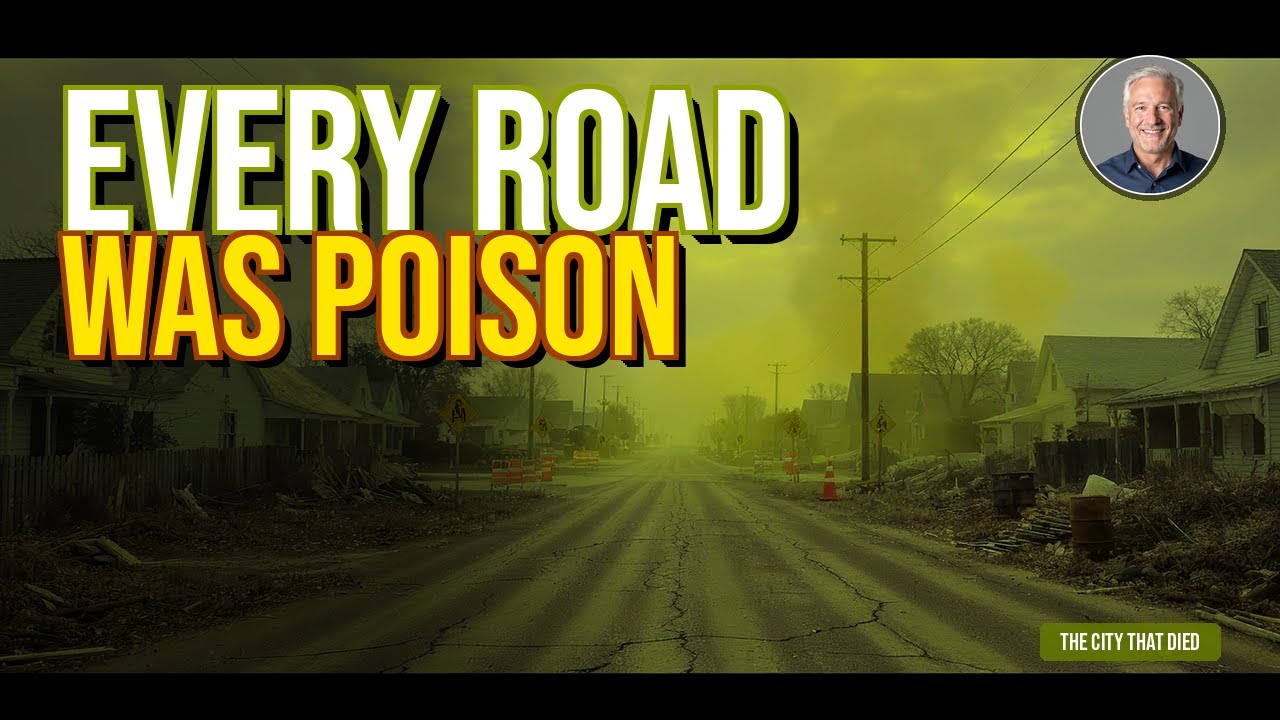
Times Beach had been unknowingly poisoned throughout the 1970s by Russell Bliss, a waste hauler who sprayed roads and parking lots with oil contaminated with dioxin—one of the most toxic substances known to science. The contamination levels were staggering: 300 times above what the EPA considered safe for human exposure. Horses died, children fell ill, and families began connecting their health problems to the dust they breathed and soil they walked on daily.
Fighting for Truth and Evacuation
When federal investigators finally confirmed the dioxin contamination in 1982, Leistner refused to accept bureaucratic delays or half-measures. While officials debated cleanup costs and liability, she organized neighbors, contacted media outlets, and demanded immediate action to protect families still living on poisoned ground. Her persistence helped force the federal government’s hand, leading to the unprecedented decision to purchase and evacuate the entire town in 1983—the largest civilian environmental evacuation in U.S. history at that time.
Leistner’s activism extended far beyond Times Beach’s borders. She understood that her community’s tragedy was part of a larger pattern of industrial contamination affecting working-class communities across America. She testified before Congress, spoke at environmental conferences, and worked with other affected communities to share strategies for fighting corporate polluters. Her advocacy helped strengthen hazardous waste regulations and improved emergency response protocols for environmental disasters.
The Times Beach evacuation cost taxpayers $36 million, but Leistner never stopped pushing for accountability from the companies that created the contaminated waste in the first place. She fought legal battles for years, seeking not just compensation for displaced families but acknowledgment of the human cost of environmental negligence.
A Legacy of Environmental Justice
Marilyn Leistner’s story represents a crucial chapter in America’s environmental justice movement. Long before “environmental racism” became a widely recognized concept, she was fighting for the principle that all communities—regardless of income or social status—deserved protection from toxic exposure. Her work demonstrated how ordinary citizens could challenge powerful corporations and government agencies when armed with determination and moral clarity.
The Times Beach disaster, elevated by Leistner’s activism, became a cautionary tale that influenced environmental policy for decades. It showed how easily communities could be poisoned by industrial waste, how long contamination could go undetected, and how difficult it was to hold responsible parties accountable. Her fight helped establish important precedents for community right-to-know laws and corporate liability for environmental damages.
Today, Times Beach exists only as a state park built on the site where the town once stood. But Marilyn Leistner’s legacy lives on in every community that successfully fights industrial contamination, every family that demands answers about environmental health threats, and every policy that prioritizes public health over corporate profits. She proved that one determined person could force a reckoning with environmental injustice, even when the odds seemed insurmountable.