Michael Brown didn’t set out to become an environmental crusader. In 1979, he was a reporter for the Niagara Gazette, covering local news in western New York. But when he began investigating strange illnesses in a working-class neighborhood called Love Canal, his reporting would help create the federal Superfund program and fundamentally change how America deals with toxic waste.
Breaking the Love Canal Story
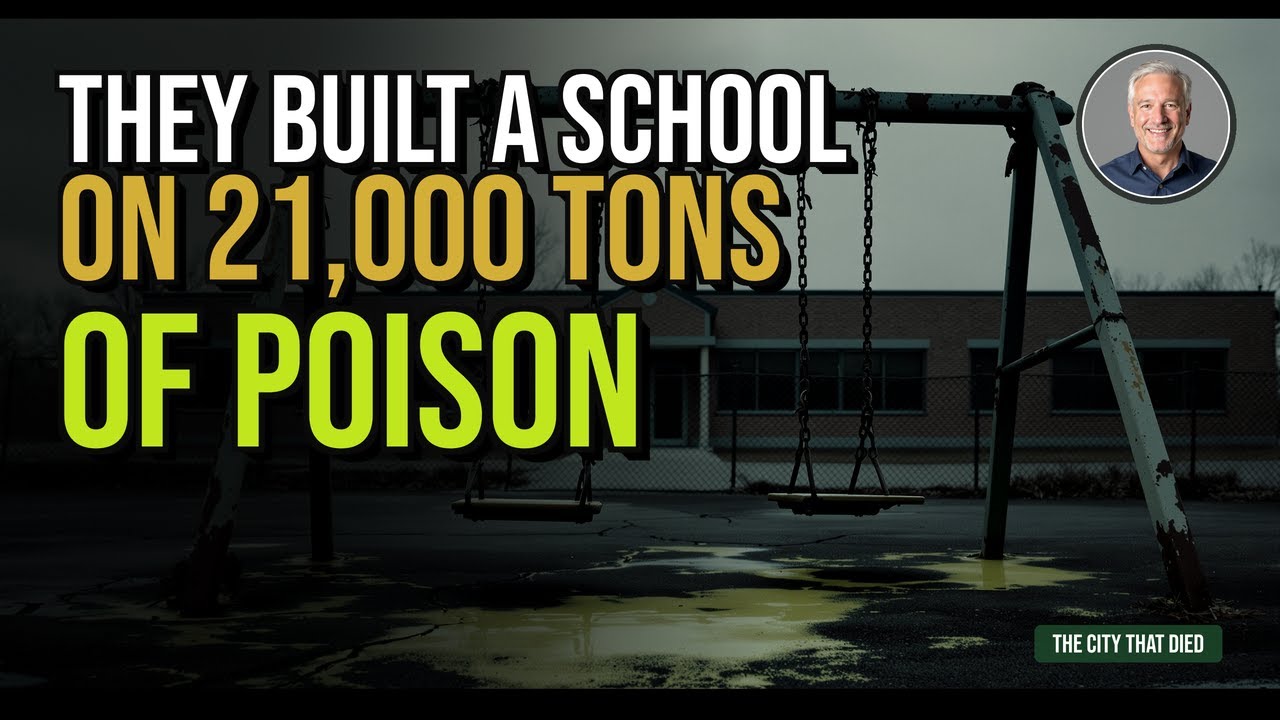
Brown’s investigation began with residents’ complaints about mysterious health problems near an old elementary school. What he uncovered was a environmental disaster decades in the making. The Hooker Chemical Company had used the abandoned Love Canal as a dump site for 21,000 tons of chemical waste between 1942 and 1953. When the company sold the land to the Niagara Falls school board for one dollar, the deed explicitly warned of buried chemicals. The school board built anyway.
Brown’s reporting revealed the scope of the contamination and the bureaucratic failures that allowed it to happen. His articles documented birth defects, miscarriages, and cancers among residents, while officials dismissed their concerns. The Gazette was a small paper, but Brown’s meticulous documentation of the crisis eventually caught national attention. By 1978, President Carter declared Love Canal a federal emergency area—the first time in U.S. history that a man-made environmental disaster received such designation.
From Local News to National Impact
Brown’s work exemplified a crucial shift in environmental journalism. Unlike earlier conservation writing that focused on wilderness preservation, his reporting connected environmental degradation directly to public health and social justice. Love Canal wasn’t a pristine ecosystem—it was a neighborhood where working families lived, worked, and raised children. Brown showed that environmental contamination was fundamentally a human story.
His 1980 book “Laying Waste: The Poisoning of America” expanded beyond Love Canal to document toxic contamination across the country. The book revealed that Love Canal wasn’t an isolated incident but part of a national pattern of industrial pollution and regulatory failure. Brown identified over 50,000 toxic waste sites nationwide, helping build public support for comprehensive federal action.
The political impact was immediate. In December 1980, Congress passed the Comprehensive Environmental Response, Compensation, and Liability Act—known as Superfund—creating a federal program to clean up the nation’s worst toxic waste sites. The law established the principle that polluters should pay for cleanup costs and gave federal authorities broad powers to address contaminated sites.
Legacy of Environmental Accountability
Brown’s reporting created a new template for environmental journalism that combined investigative rigor with human storytelling. He demonstrated that environmental issues weren’t abstract policy debates but immediate threats to community health and safety. His work helped establish the right of communities to know about environmental hazards and to demand government action.
The Love Canal story also empowered grassroots environmental activism. Lois Gibbs, the housewife who organized her neighbors into the Love Canal Homeowners Association, credited Brown’s reporting with giving their concerns credibility and national visibility. The success at Love Canal inspired similar community organizing efforts across the country.
Today, the Superfund program has addressed over 1,300 of the nation’s most contaminated sites. While implementation has been uneven and cleanup often takes decades, the program represents a fundamental shift toward environmental accountability that began with a local reporter investigating his neighbors’ health complaints.
Brown’s work reminds us that some of the most important journalism happens at the intersection of local reporting and national significance—where careful documentation of community concerns can reshape federal policy and corporate responsibility.