Born in Gary, Indiana, on August 29, 1958, Michael Joseph Jackson emerged from one of America’s most emblematic Rust Belt cities to become the most famous entertainer in the world. His story parallels the rise and fall of industrial America—a meteoric ascent from a decaying steel town that would itself become a symbol of urban collapse.
The Gary Years
Jackson’s childhood unfolded at 2300 Jackson Street in a modest two-bedroom house that would later become a pilgrimage site for fans worldwide. Gary in the 1960s was still a thriving industrial center, built around the massive U.S. Steel works that had drawn African American families north during the Great Migration. The Jackson family was part of this broader demographic transformation—Joe and Katherine Jackson, like hundreds of thousands of others, had migrated from the South seeking economic opportunity in America’s industrial heartland.
The Jackson 5’s discovery by Motown in 1968 represented more than just a musical breakthrough; it embodied the cultural dynamism of the industrial Midwest. Detroit’s Motown sound had already established the region as a creative powerhouse, and Gary’s most famous sons became ambassadors of this musical revolution. When “I Want You Back” hit number one in 1970, eleven-year-old Michael Jackson became the face of a new generation of African American artists reshaping popular culture.
From Motown to Global Icon
The trajectory of Jackson’s solo career, launched definitively with 1979’s “Off the Wall,” coincided with the deindustrialization that would devastate his hometown. As Gary’s steel mills began closing and the city’s population started its long decline, Jackson ascended to unprecedented heights of fame. The 1982 release of “Thriller” made him a global phenomenon just as the Rust Belt entered its steepest economic decline.
This timing was not merely coincidental—it reflected broader shifts in American culture and economy. As manufacturing jobs disappeared, the entertainment industry became an increasingly dominant force in American exports. Jackson’s music videos, dance moves, and celebrity reached every corner of the globe, making him perhaps America’s most successful cultural ambassador during the 1980s. His influence transcended racial boundaries in ways that seemed to fulfill the integrationist dreams of the civil rights movement, even as the economic foundations of communities like Gary crumbled.
Jackson’s personal evolution—his changing appearance, his increasingly isolated lifestyle, his legal troubles—mirrored in some ways the complex relationship between success and authenticity in post-industrial America. The boy from Gary became unmoored from his origins, transformed by fame into something unprecedented and ultimately tragic.
Enduring Legacy
Michael Jackson’s death in 2009 prompted a global outpouring of grief that demonstrated his unique position in popular culture. His influence on music, dance, and entertainment remains immeasurable—from the artists who cite him as inspiration to the technological innovations in music videos that he pioneered. The moonwalk became as iconic as any American cultural export of the late twentieth century.
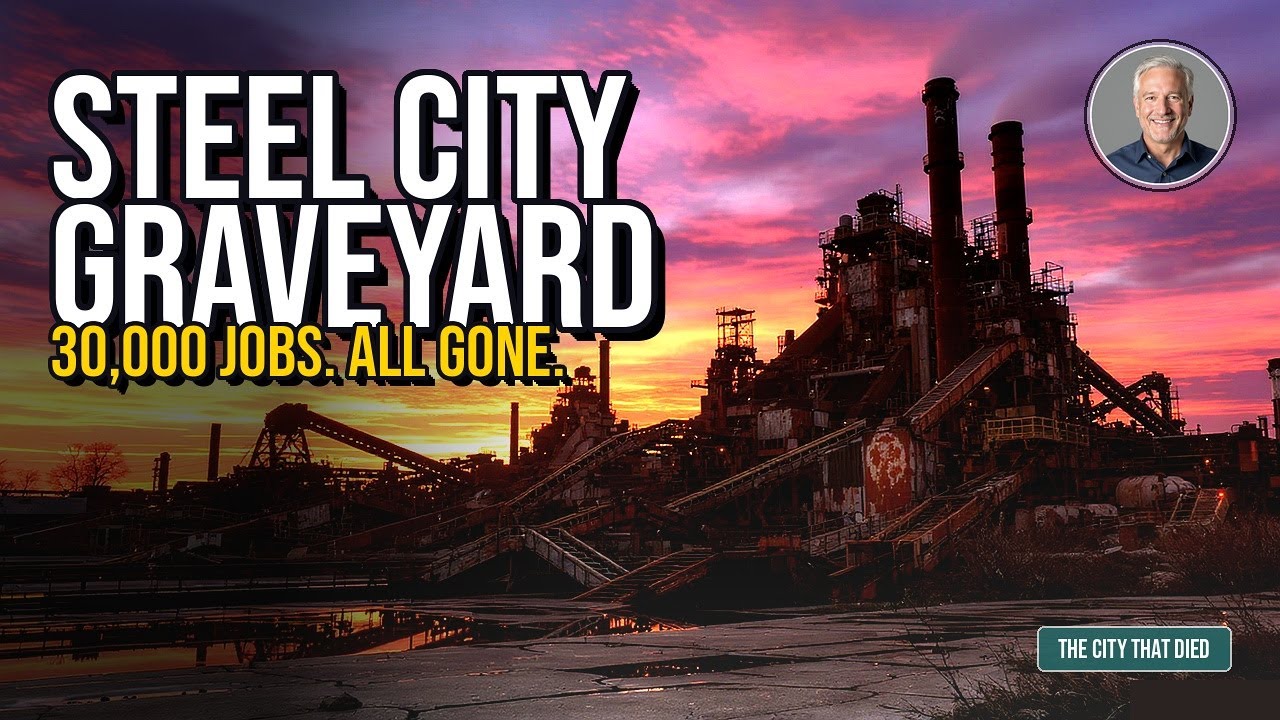
Yet Jackson’s story also illuminates the broader narrative of American deindustrialization. Gary, Indiana, today has fewer than 70,000 residents, down from its peak of 178,000 in 1960. The city that produced the King of Pop has become a symbol of urban decay, its abandoned buildings standing as monuments to economic transformation. Jackson’s childhood home endures as one of the few tourist attractions in a city that has struggled to find its place in the post-industrial economy.
His legacy transcends entertainment, representing both the extraordinary possibilities of American social mobility and the complex costs of fame in a media-saturated age. From the steel mills of Gary to global superstardom, Michael Jackson’s journey remains one of the most remarkable American stories of the twentieth century.