From Trading House to Industrial Empire
Mitsubishi Corporation emerged from the entrepreneurial vision of Yataro Iwasaki, who founded the company as a shipping enterprise in 1870, just two years into Japan’s Meiji Restoration. What began as a modest steamship operation quickly evolved into one of Japan’s most powerful zaibatsu—industrial and financial business conglomerates that would come to dominate the nation’s economy for nearly a century.
The timing of Mitsubishi’s founding was no coincidence. As Japan raced to modernize and catch up with Western powers, the government actively partnered with private enterprises to build industrial capacity. Iwasaki’s company benefited enormously from this relationship, securing lucrative government contracts for shipping and logistics. By the 1880s, Mitsubishi had expanded into coal mining, shipbuilding, banking, and real estate—establishing the diversified model that would define Japanese corporate structure well into the modern era.
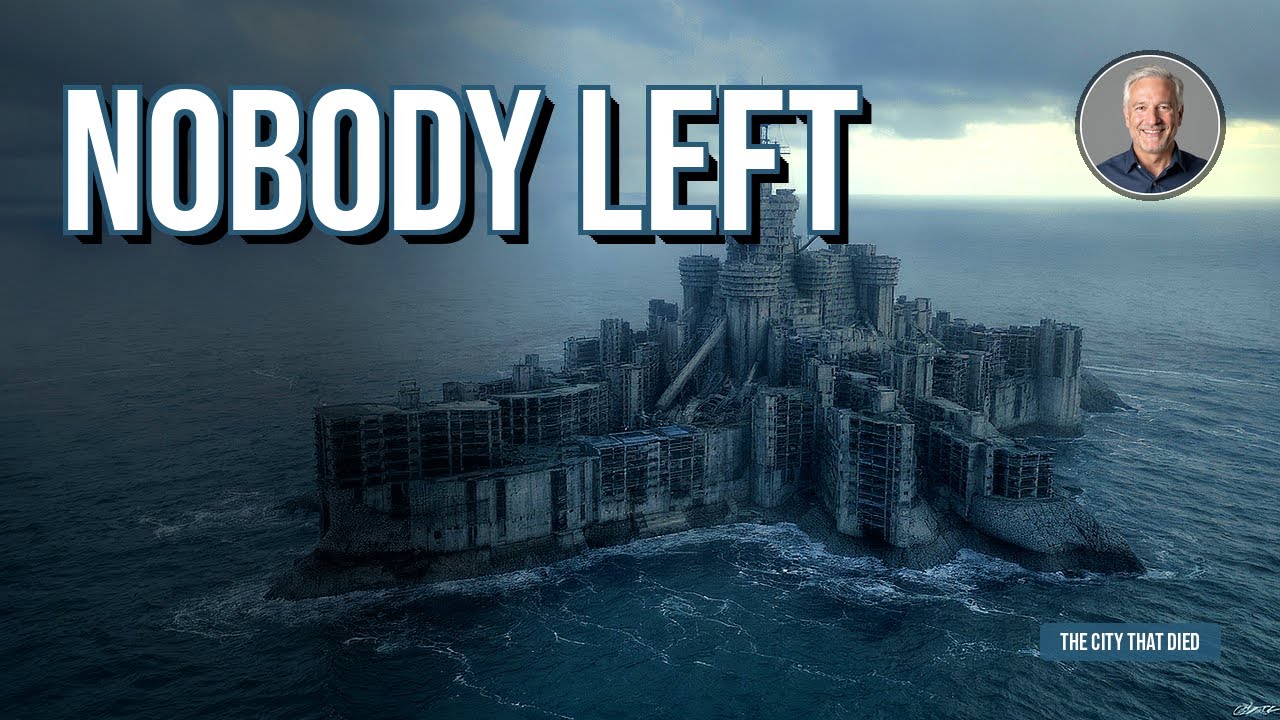
The company’s coal mining operations became particularly significant as Japan industrialized. Mitsubishi acquired mining rights across Kyushu, including the underwater seams beneath Hashima Island off the coast of Nagasaki. What started as a small mining outpost in 1887 would eventually become one of the most densely populated places on Earth, a concrete fortress in the sea where thousands of workers extracted the coal that powered Japan’s industrial revolution.
Wartime Labor and Imperial Expansion
During World War II, Mitsubishi’s role expanded far beyond commerce into the machinery of Japan’s war effort. The corporation operated munitions factories, aircraft plants, and shipyards across the empire, becoming integral to military production. At Hashima Island alone, Mitsubishi’s mines employed over 5,000 workers by the 1940s, but the workforce composition had changed dramatically from the early days of voluntary Japanese miners.
As Japan’s empire stretched across Asia and manpower shortages intensified, Mitsubishi—like other major Japanese corporations—increasingly relied on forced labor. The company brought conscripted Korean civilians and Chinese prisoners of war to work in dangerous conditions in the underwater coal mines. These workers faced grueling 12-hour shifts in tunnels that extended nearly half a mile beneath the ocean floor, with temperatures reaching 40 degrees Celsius and constant threats of flooding and cave-ins.
The use of forced labor was not unique to Mitsubishi, but the scale and conditions at their facilities, particularly Hashima, represented some of the harshest examples of wartime industrial exploitation. Mortality rates among forced laborers were significantly higher than among Japanese workers, though exact figures remain disputed due to incomplete or destroyed records.
The Allied occupation of Japan from 1945 to 1952 dismantled the zaibatsu system, breaking up Mitsubishi into dozens of separate companies. However, by the 1960s, many of these firms had reformed informal relationships, creating the modern Mitsubishi Group—a network of companies linked by cross-shareholding and business partnerships rather than direct ownership.
The transformation of Hashima Island exemplifies this broader corporate and national evolution. As Japan transitioned to oil-based energy in the 1960s, coal mining became uneconomical. Mitsubishi closed the Hashima mines in 1974, and the island’s population dropped from over 5,000 to zero virtually overnight. The concrete apartment blocks and mining facilities were abandoned, creating one of the world’s most haunting industrial ruins.
Today’s Mitsubishi Corporation bears little resemblance to its wartime incarnation, having evolved into a global trading house and investment company. Yet the legacy of its wartime labor practices continues to influence Japan’s diplomatic relationships, particularly with South Korea and China. The company has faced ongoing pressure to acknowledge and compensate victims of forced labor, reflecting broader questions about corporate responsibility for historical injustices that remain unresolved decades later.