Oliver S. Picher

Joplin lead executive whose company gave Picher, Oklahoma its name

Appears in 1 documentary

Oliver S. Picher — The head of the Picher Lead Company of Joplin, one of the first companies into the Oklahoma field, for whom the town was named.

Oliver S. Picher headed the Picher Lead Company of Joplin, Missouri, a family firm that had been smelting lead and making white lead pigment in the Joplin district since the 1870s. When the ore body was traced south into the Quapaw allotments of Oklahoma after the 1913 strike, Picher Lead was among the first companies to lease ground and sink shafts there. The camp that grew up around its workings was platted as a town in 1918 and given the company’s name. Few people have had a town named for them and then had the town erased within a century.

The Joplin Lead Men

The Picher company belonged to the generation of Joplin operators who turned a scatter of shallow diggings into an industrial district. They built smelters, bought up leases, financed the deep shafts that the Oklahoma ore required, and ran the mills that crushed the rock. In 1916, as the Oklahoma field was opening, Picher Lead merged with the Eagle White Lead Company of Cincinnati, a pigment maker founded in 1843, to form the Eagle-Picher Lead Company. The merger joined Joplin’s mines to Cincinnati’s factories and created the firm that would dominate the Tri-State District for the next half century, build the enormous Central Mill at Cardin, and leave the chat piles behind when the ore ran out.

A Name on the Map

The town of Picher became the commercial heart of the largest lead and zinc field in the world. More than fourteen thousand people lived there in the 1920s, and the ore under its streets went into both world wars. The Picher name, then, stood for prosperity, and the company that carried it provided housing, utilities and jobs across the mining camps. The same name is now attached to one of the most contaminated places in the United States, a Superfund site, a federal buyout and a town dissolved in 2009. Oliver Picher did not live to see most of that, and the district’s catastrophe was the work of an entire industry and the agencies that regulated it. But the company he led was in at the start, and the name he gave the town is the one on the warning signs.

Why He Matters

Picher is a figure in this story less as a person than as a lineage. His company became Eagle-Picher, Eagle-Picher became the district, and the district became the problem the country eventually paid to abandon. Understanding how a Joplin pigment maker ended up owning the ore under a Quapaw allotment is understanding how the Tri-State District worked, and why, when it stopped working, nobody who had profited from it was left holding the bill.

Further Reading

Arthur's Pick

The boom years of the Tri-State District, including the Joplin lead companies and the men who ran them.

Learn More About Oliver S. Picher

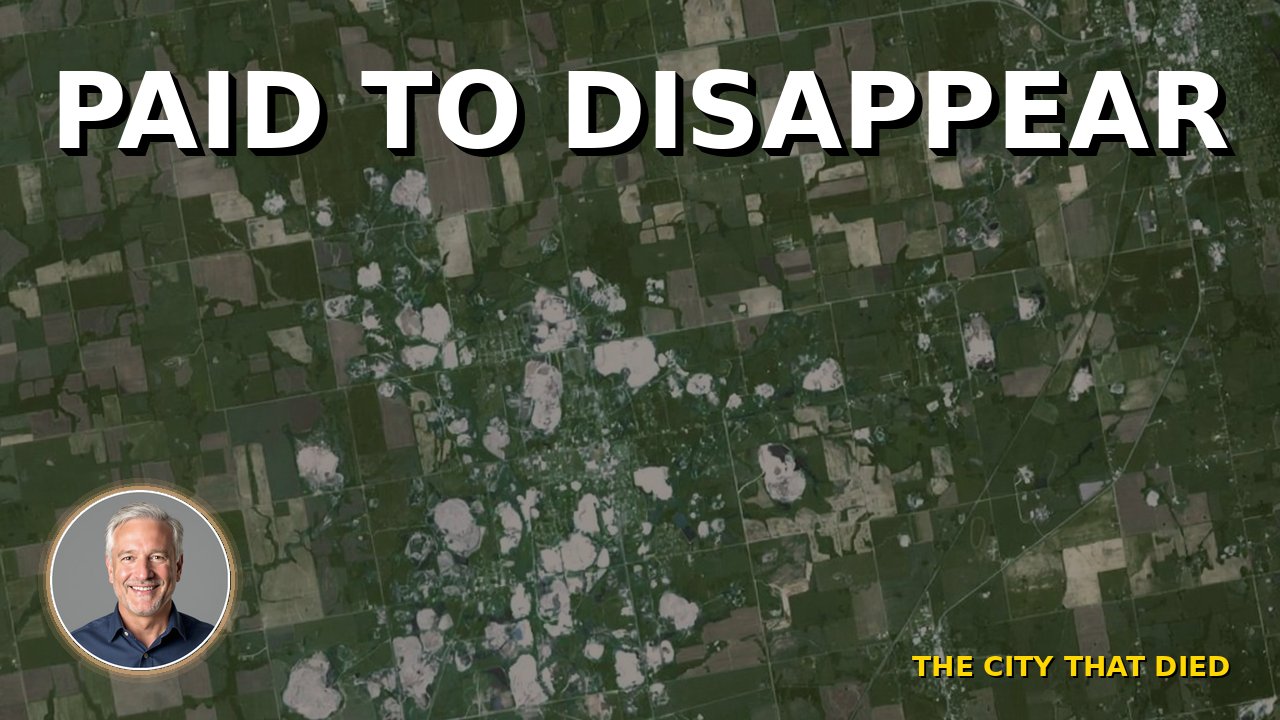
Thumbnail for The Town America Paid to Disappear: Picher, Oklahoma
The City That Died

The Town America Paid to Disappear: Picher, Oklahoma

The gray mountains that surround Picher are called chat piles, crushed rock left over from a century of lead and zinc milling. For decades chat was free, so people used it for everything: driveways, road gravel, fill under new houses, the sand in school sandboxes and the surface of the high school running track. Children sledded down the piles in winter and swam in the flooded mine pits in summer. In the mid-1990s, blood testing found that roughly a third of Picher's children had lead levels above the federal threshold of concern. Lead has no safe level in a child. Not a single mining executive was ever charged with a crime.

1913-2015 Picher, Oklahoma and Treece, Kansas