Rebecca Jim

Cherokee activist who founded the LEAD Agency and fought for Tar Creek

Appears in 1 documentary

Rebecca Jim — The school counselor turned activist whose LEAD Agency forced the lead studies and cleanup at Tar Creek into public view.

Rebecca Jim is a citizen of the Cherokee Nation who spent a quarter century as a counselor at Miami High School in Ottawa County, Oklahoma, a few miles from Picher. The students who came through her office grew up in the Tar Creek mining district, and she watched what the place did to them: learning problems, behavior problems, families that could not explain why their children struggled. In 1997 she founded the LEAD Agency, short for Local Environmental Action Demanded, to force the question the district had avoided for a generation. What was the ground doing to the kids?

From the Counselor’s Office to the Creek

Tar Creek had been a Superfund site since 1983, but listing a site and cleaning it are different things. The Environmental Protection Agency hauled contaminated soil out of yards while the chat piles that produced the dust stood untouched, and residents were told the water was the problem, or the paint, or anything but the mountains of waste at the end of every street. Jim’s organization held public meetings, pushed for blood testing of children, filed comments and lawsuits, and began a yearly Tar Creek conference that brought scientists, agency staff and residents into the same room. The blood lead studies of the mid-1990s, which found roughly a third of Picher’s children above the federal threshold, became the center of her argument.

She later took the title of Tar Creekkeeper as part of the Waterkeeper Alliance, a role that made her the creek’s designated advocate. The orange water that runs through Picher and Commerce and into the Neosho River is the most visible evidence of what was done to the district, and Jim has spent decades making sure nobody is allowed to stop seeing it.

The Long Fight

Jim’s work bridged two communities that the mining companies and the government had kept apart: the mostly white mining families of Picher and Cardin and the Quapaw Nation whose allotments the mines had hollowed out. The buyouts of Picher and Treece between 2006 and 2012 were the outcome she had argued was inevitable, and the Quapaw Nation’s decision to lead its own remediation beginning in 2013 was the outcome she had argued was right. Neither ended the work. The Tar Creek Superfund site is still open, the chat piles are still standing, and the LEAD Agency is still holding meetings.

Why She Matters

Most of the people in the Picher story are companies and agencies. Jim is proof that the district’s children had an advocate who was not paid to be one. Her campaign did not save the town, and she never claimed it could. It made the cost of the town visible, and it kept the cleanup from quietly stopping when the cameras left.

Further Reading

Arthur's Pick

The district's history, written by a local author and shaped by the activism Jim led. The fullest account of what she was fighting.

The national fight over childhood lead poisoning that Jim's local campaign was part of, and why the science took so long to win.

Fields' oral histories of Picher include the activists, the holdouts and the children who grew up on the chat piles.

Learn More About Rebecca Jim

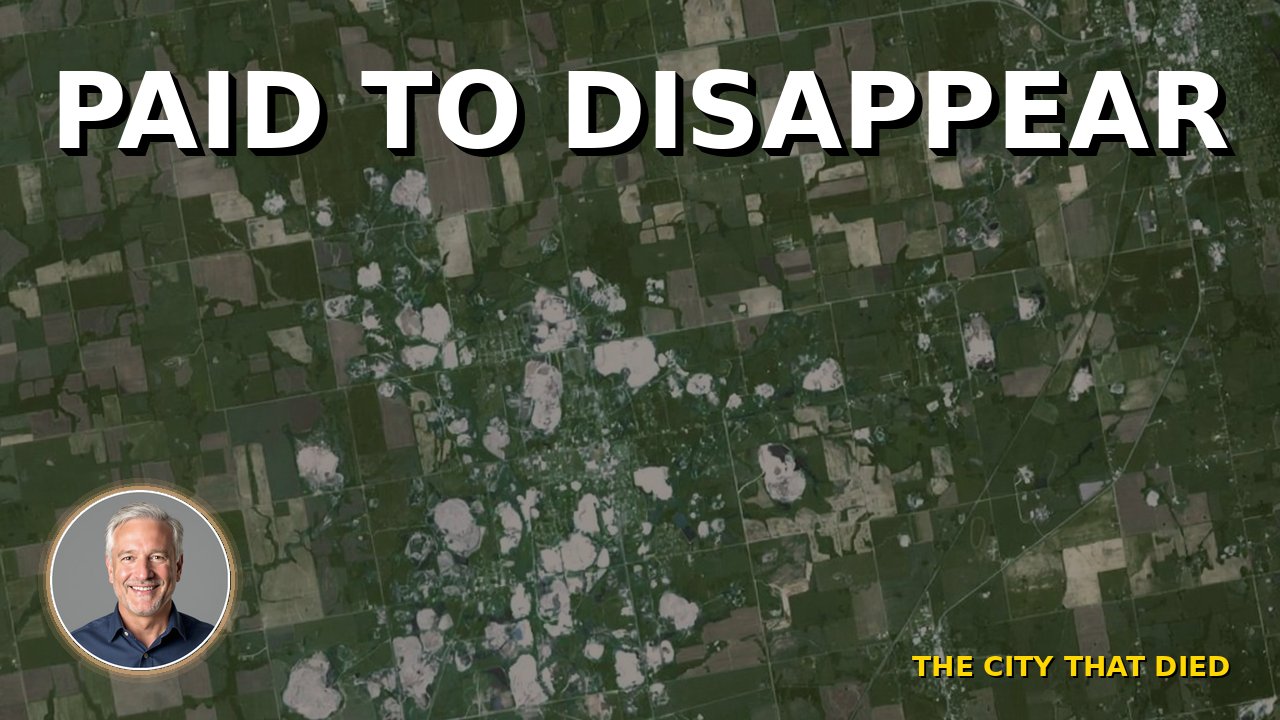
Thumbnail for The Town America Paid to Disappear: Picher, Oklahoma
The City That Died

The Town America Paid to Disappear: Picher, Oklahoma

The gray mountains that surround Picher are called chat piles, crushed rock left over from a century of lead and zinc milling. For decades chat was free, so people used it for everything: driveways, road gravel, fill under new houses, the sand in school sandboxes and the surface of the high school running track. Children sledded down the piles in winter and swam in the flooded mine pits in summer. In the mid-1990s, blood testing found that roughly a third of Picher's children had lead levels above the federal threshold of concern. Lead has no safe level in a child. Not a single mining executive was ever charged with a crime.

1913-2015 Picher, Oklahoma and Treece, Kansas