The Pastor’s Darkest Hour
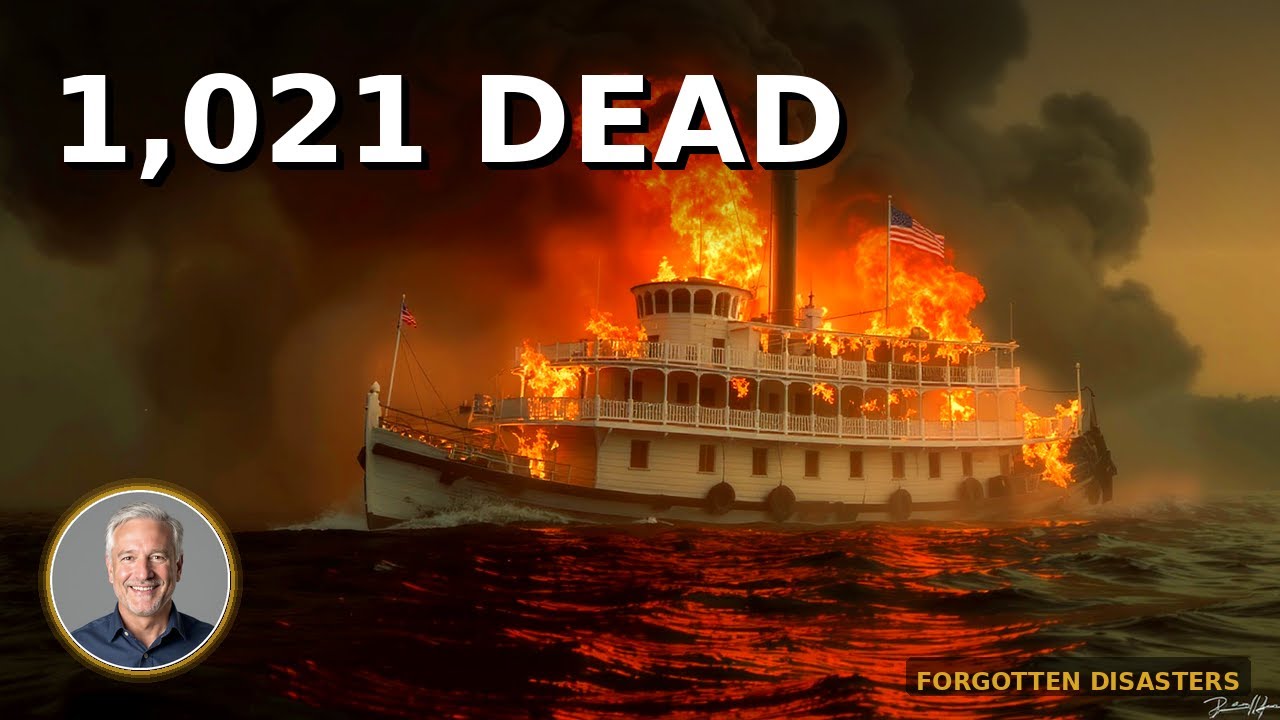
On the morning of June 15, 1904, Reverend George Haas stood on the deck of the steamboat General Slocum, watching over nearly 1,400 members of his St. Mark’s Evangelical Lutheran Church as they embarked on their annual Sunday school picnic. The German-American congregation from Manhattan’s Lower East Side had chartered the vessel for a day trip up the East River to Locust Grove on Long Island. Within hours, Haas would witness the worst maritime disaster in New York City history, losing over 1,000 of his parishioners in a tragedy that would haunt him for the rest of his life.
As the spiritual leader of a tight-knit immigrant community, Haas had organized these annual excursions as a cherished tradition that brought families together and provided respite from the crowded tenements of Kleindeutschland (Little Germany). The congregation had used the same steamboat company for seventeen consecutive years without incident. But on this particular June morning, as the General Slocum passed through the Hell Gate strait near the Bronx, a fire erupted in the ship’s forward compartment.
What followed was a cascade of criminal negligence that transformed a small blaze into mass death. The ship’s fire hoses burst when crew members tried to use them. The lifeboats were painted to the decks and couldn’t be lowered. Most horrifically, the life preservers—some dating back thirteen years—were filled with granulated cork that had rotted to powder. When passengers strapped them on and leaped into the East River, the disintegrating jackets became anchors that dragged women and children to the bottom.
Bearing Witness to Catastrophe
Reverend Haas found himself in the impossible position of trying to comfort the dying while watching his life’s work literally go up in flames. The passengers were predominantly German immigrant women and children—the men were working and couldn’t attend the midweek excursion. Mothers threw their babies toward the shore in desperate hope, only to watch them sink beneath the waves. Haas moved through the chaos, offering what spiritual comfort he could as the deck burned beneath their feet.
The pastor’s survival came with a devastating cost. As one of the few adult authority figures to live through the disaster, Haas became both a crucial witness to the tragedy and a symbol of a community’s destruction. Entire families were wiped out. Some households lost three generations in a single day. The tight-knit neighborhood of Kleindeutschland never recovered—the survivors scattered throughout the city, unable to bear the memories concentrated in their old community.
Legacy of Loss and Accountability
Haas’s testimony proved crucial in the subsequent investigations that exposed the systematic corruption and negligence underlying the disaster. His detailed accounts helped prosecutors understand not just what happened, but how a routine pleasure cruise became a death trap through the willful disregard of basic safety measures. The steamboat’s owners had prioritized profits over passenger safety for years, skipping inspections and ignoring federal regulations.
The General Slocum disaster represents a watershed moment in American regulatory history, demonstrating how immigrant communities bore the brunt of industrial-age negligence. Reverend Haas’s experience embodied the broader pattern of the era: working-class Americans, particularly immigrants, paying with their lives for the cost-cutting measures of wealthy industrialists. His survival testimony helped establish legal precedents that would influence maritime safety regulations for decades to come.
Though Haas continued his ministry after 1904, he never fully recovered from the trauma of watching his congregation perish. His story remains a powerful reminder that behind every industrial disaster stood real communities—and that the courage of survivors like Haas to bear witness and demand accountability helped forge the modern safety standards we rely on today.