Richard Bissell Jr. embodied the paradox of Cold War intelligence: a Yale-educated economist who became one of America’s most influential spymaster, orchestrating operations that ranged from technological marvels to spectacular disasters. His career trajectory from academic analysis to covert action reflected the CIA’s own evolution from a small intelligence-gathering agency into a global force capable of toppling governments and pushing the boundaries of aerospace technology.
The Architect of Aerial Espionage
Bissell’s most enduring legacy lies in his revolutionary approach to intelligence gathering through advanced aviation technology. As the CIA’s Deputy Director for Plans from 1958 to 1962, he championed the development of the U-2 spy plane program, transforming how America monitored its enemies. The U-2, flying at unprecedented altitudes of 70,000 feet, could photograph vast swaths of Soviet territory with extraordinary detail—revealing missile sites, industrial facilities, and military installations that ground-based intelligence could never access.
More significantly, Bissell understood that technological superiority could compensate for America’s geographic disadvantages in the Cold War. While the Soviet Union remained a closed society, American ingenuity could pierce that secrecy from the stratosphere. Under his direction, the CIA partnered with Lockheed’s Skunk Works division to develop aircraft that seemed to defy the laws of physics. The U-2 program’s success led directly to even more ambitious projects, including the SR-71 Blackbird, which could fly at Mach 3.3.
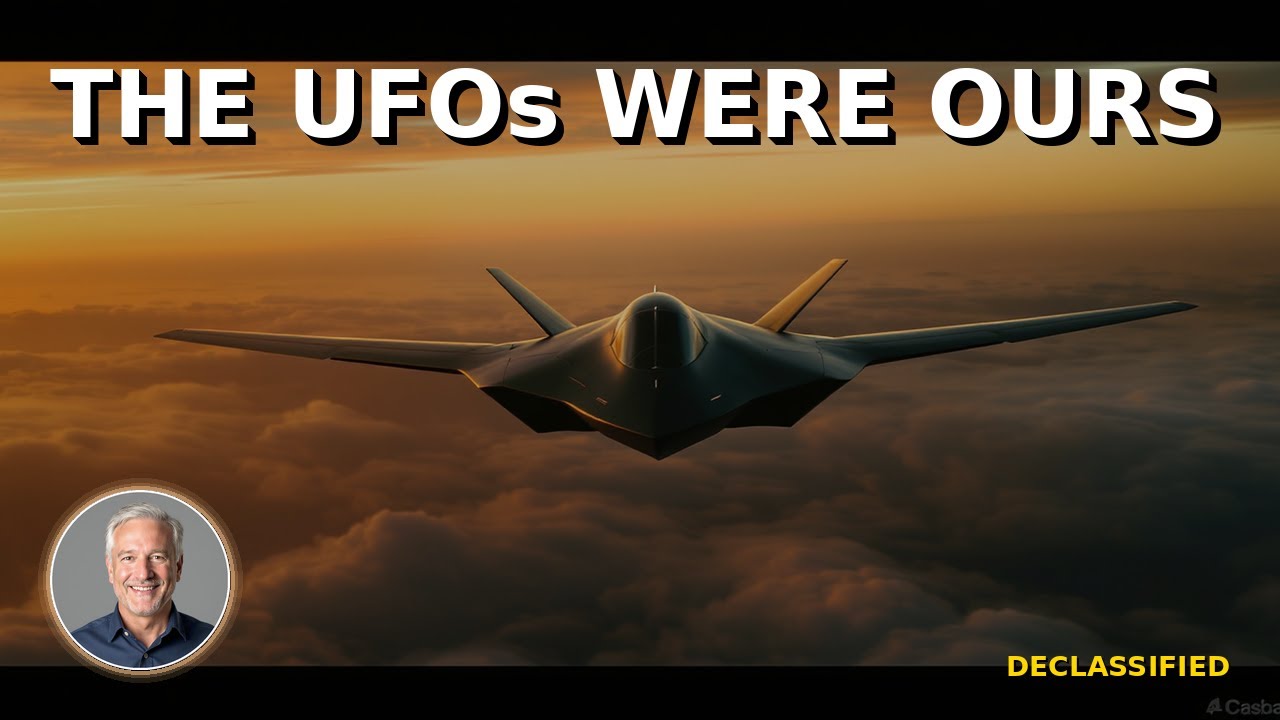
Between 1955 and 1969, these high-altitude reconnaissance flights generated over half of all UFO sightings reported in the United States. Bissell and his team deliberately encouraged these alien theories, understanding that extraterrestrial speculation provided perfect cover for classified operations. The public’s fascination with flying saucers inadvertently protected some of America’s most sensitive national security programs.
The Bay of Pigs and the Limits of Covert Power
Bissell’s career reached its zenith and nadir almost simultaneously. While his aerial reconnaissance programs revolutionized intelligence gathering, his management of the Bay of Pigs invasion in April 1961 demonstrated the dangers of applying technological thinking to complex political problems. The operation, which aimed to overthrow Fidel Castro using Cuban exiles, reflected Bissell’s confidence that careful planning and superior resources could achieve any objective.
The invasion’s catastrophic failure—with 1,200 Cuban exiles killed or captured within 72 hours—exposed fundamental flaws in CIA operational thinking. Bissell had assumed that air superiority and tactical planning could substitute for popular support and political legitimacy. The disaster cost him his career and forced the Kennedy administration to fundamentally reassess the role of covert operations in American foreign policy.
This failure highlighted a crucial tension in Cold War strategy: while technological innovations like spy planes could gather invaluable intelligence without direct confrontation, covert military operations remained subject to political realities that no amount of planning could control.
Legacy of Innovation and Caution
Bissell’s career represents both the promise and peril of American intelligence capabilities during the Cold War’s most dangerous decade. His technological programs provided presidents with unprecedented insight into Soviet capabilities, helping prevent miscalculations that could have triggered nuclear war. The intelligence gathered by U-2 flights proved crucial during the Cuban Missile Crisis, giving Kennedy detailed photographs of Soviet missile installations.
Yet his failures demonstrated that intelligence agencies, despite their technological sophistication, could not remake the world through secret operations. The Bay of Pigs disaster led to more rigorous oversight of CIA operations and greater skepticism about covert action as a foreign policy tool. Modern intelligence agencies still grapple with the balance Bissell tried to strike between technological innovation and operational restraint—a reminder that even the most sophisticated capabilities require wisdom in their application.