Robert List emerged as one of Nevada’s most consequential political figures during a pivotal era in the Silver State’s history, serving as the 24th Governor of Nevada from 1979 to 1983. His tenure coincided with Nevada’s transformation from a primarily mining and gambling economy into a more diversified state grappling with rapid population growth, environmental challenges, and the complex legacy of federal nuclear testing that had defined much of the previous three decades.
Rise to Political Prominence
Born in Visalia, California, in 1936, List moved to Nevada in the 1960s, establishing himself as a successful attorney in Carson City. His legal career provided him with intimate knowledge of Nevada’s unique political landscape, where federal land ownership, gaming regulation, and mining interests created a complex web of competing priorities. List’s entry into politics came through the Nevada Assembly, where he served from 1967 to 1975, followed by a term in the Nevada Senate from 1975 to 1979.
List’s political philosophy centered on fiscal conservatism and limited government intervention, principles that resonated with Nevada’s libertarian-minded electorate. His gubernatorial campaign in 1978 capitalized on growing concerns about government overreach and economic stagnation. At age 42, he won the election decisively, becoming one of the youngest governors in Nevada history and positioning himself as a new voice for Western conservatism during the Reagan era.
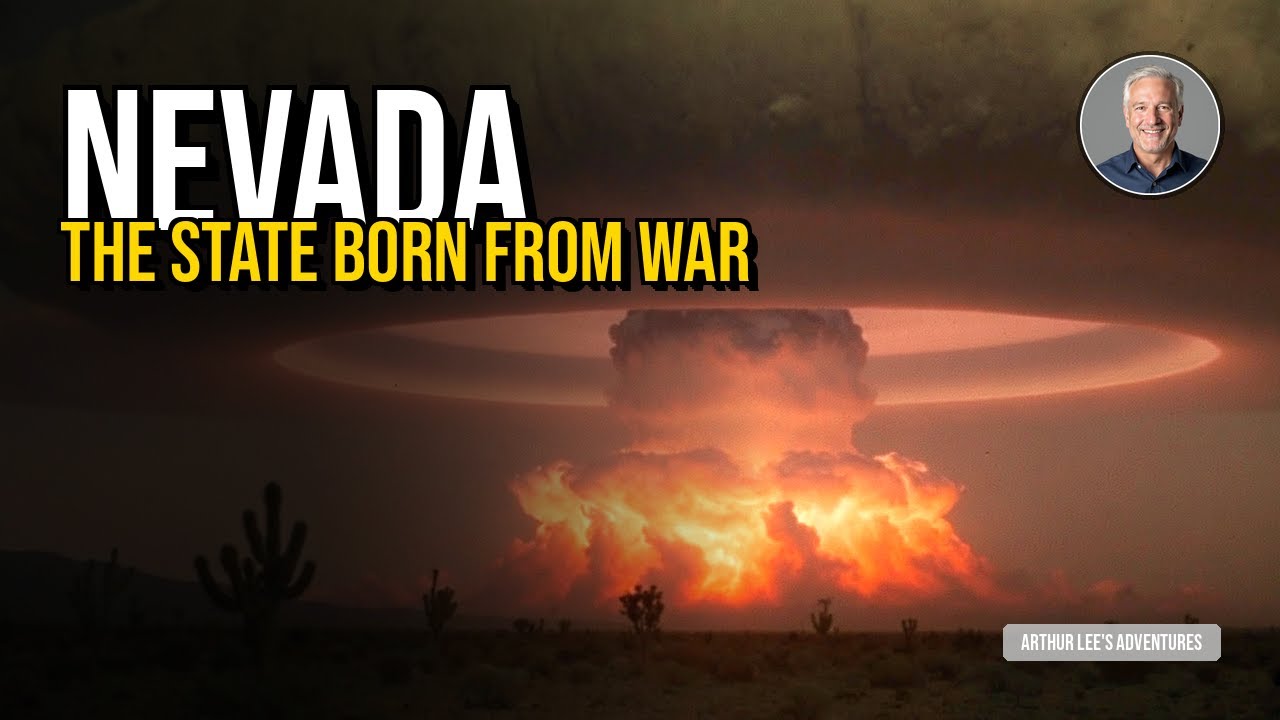
List’s governorship marked a critical juncture in Nevada’s relationship with federal power, particularly regarding nuclear testing and waste storage. While the atmospheric nuclear tests that had created Las Vegas’s macabre “atomic tourism” industry ended in 1963, underground testing continued throughout the 1970s and into List’s tenure. His administration faced mounting pressure to address the long-term consequences of decades of nuclear activity, including groundwater contamination and public health concerns that the federal government had long minimized.
The governor’s approach to federal-state relations reflected Nevada’s broader struggle with federal dominance. With over 80 percent of Nevada controlled by federal agencies, List advocated for greater state autonomy while navigating the economic benefits that federal installations brought to Nevada. His administration coincided with early debates over nuclear waste storage that would later culminate in the controversial Yucca Mountain project, establishing precedents for how Nevada would resist unwanted federal mandates.
List also presided over significant demographic and economic changes. Nevada’s population grew by over 63 percent during the 1970s, creating unprecedented demands on state infrastructure and services. His administration worked to modernize state government while maintaining Nevada’s traditionally low-tax, business-friendly environment that had attracted new residents fleeing California’s higher costs and regulations.
Legacy and Historical Significance
List’s single term as governor, though brief, came during a formative period that shaped modern Nevada’s identity. His emphasis on state rights and resistance to federal overreach established templates that subsequent Nevada governors would follow, particularly in battles over land use, environmental regulation, and nuclear waste policy. The tourism industry that had once celebrated atomic testing was evolving into the entertainment and convention destination that would drive Nevada’s economy for decades to come.
After leaving office in 1983, List remained active in Nevada politics and business, serving on various boards and maintaining influence within the state’s Republican establishment. His governorship represents a bridge between Nevada’s frontier past and its emergence as one of America’s fastest-growing states, embodying the Western conservative philosophy that federal power should be constrained and states should control their own destinies—even when those destinies had been shaped by decades of federal nuclear testing.