Siemon Muller remains one of the most enigmatic figures in the history of America’s atomic age, a man whose entrepreneurial vision transformed the specter of nuclear destruction into a macabre form of entertainment. As the mastermind behind Las Vegas’s infamous “atomic tourism” phenomenon, Muller exemplified the strange intersection of Cold War anxiety and American capitalism that defined the 1950s.
The Birth of Atomic Entertainment
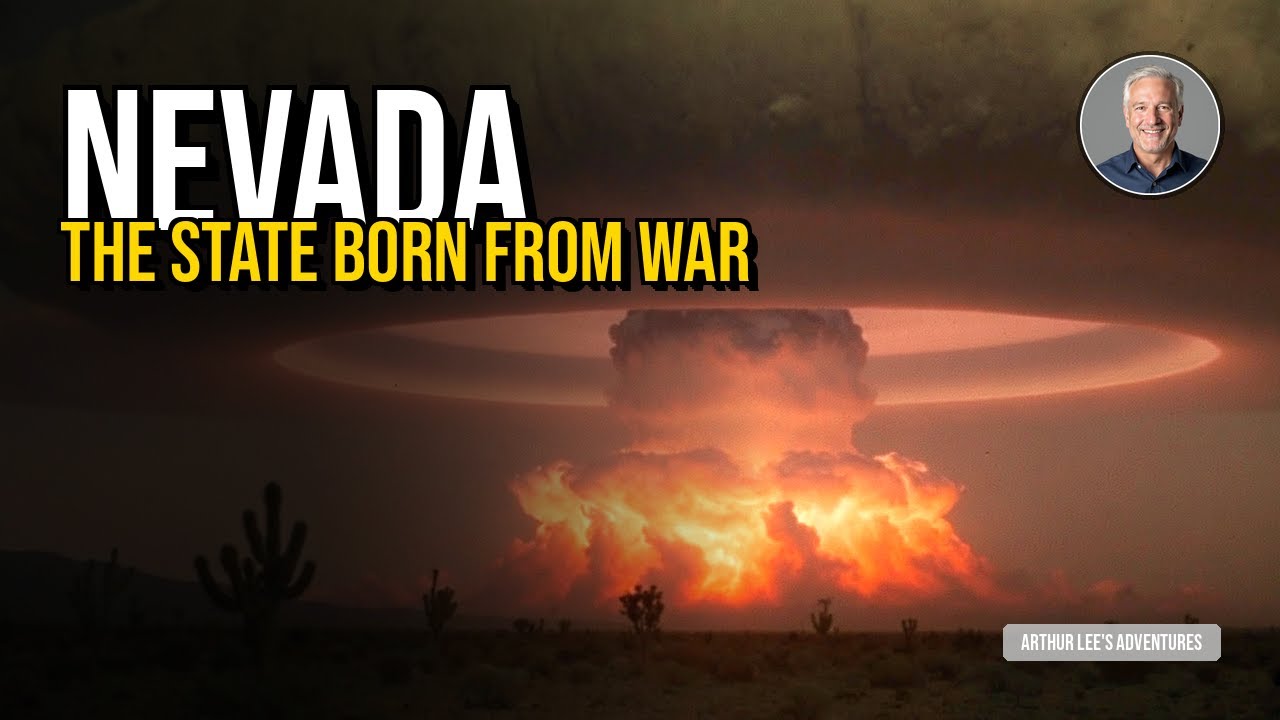
In 1951, when the Nevada Test Site began conducting atmospheric nuclear weapons tests just 65 miles northwest of Las Vegas, most Americans might have fled in terror. Muller saw opportunity. As the general manager of the Desert Inn, one of the Strip’s premier establishments, he recognized that the brilliant flashes lighting up the pre-dawn sky could become the world’s most exclusive entertainment spectacle.
Muller’s innovation was both simple and audacious: transform the hotel’s rooftop into a viewing platform complete with telescopes, comfortable seating, and specially crafted “atomic cocktails” that glowed with dry ice. The Desert Inn’s “Dawn Bomb Parties” became legendary, drawing celebrities, politicians, and curious tourists who paid premium rates to witness humanity’s most destructive force from what they believed was a safe distance.
Between 1951 and 1963, Muller orchestrated over 200 viewing parties, each timed to coincide with announced test schedules from the Atomic Energy Commission. His meticulous planning included hiring photographers to capture guests’ reactions, creating souvenir atomic-themed merchandise, and even coordinating with other hotels to prevent scheduling conflicts. The success was immediate and profound—occupancy rates at participating hotels increased by 300% during test periods.
Marketing the Unthinkable
What made Muller’s atomic tourism remarkable wasn’t just its commercial success, but how it reflected America’s complex relationship with nuclear power. His marketing materials presented nuclear weapons as symbols of American technological superiority rather than instruments of mass destruction. Promotional brochures promised guests they would witness “the dawn of the atomic age” and “democracy’s bright light pushing back the darkness of communism.”
Muller understood that Americans in the early 1950s craved reassurance about their nuclear arsenal. By making bomb tests into entertainment, he transformed abstract policy debates into visceral experiences that reinforced national confidence. His atomic cocktails—typically champagne with a splash of brandy and dry ice for effect—became symbols of American affluence literally toasting its own destructive capability.
The viewing parties also served an unofficial propaganda function. Muller regularly hosted foreign dignitaries, military officials, and journalists, ensuring that images of Americans casually watching nuclear explosions circulated globally. These photographs became powerful symbols of American fearlessness during the height of Cold War tensions.
Legacy of the Atomic Impresario
When the Limited Test Ban Treaty ended atmospheric testing in 1963, Muller’s atomic tourism empire vanished overnight. However, his impact on Las Vegas and American culture proved lasting. The infrastructure he developed for rooftop entertainment evolved into the elaborate observation decks and themed experiences that became hallmarks of modern Las Vegas hospitality.
More significantly, Muller’s work revealed how quickly extraordinary events could be normalized through commerce and spectacle. His transformation of nuclear weapons testing into entertainment presaged later American tendencies to commodify everything from war to disaster. The atomic viewing parties represented a uniquely American response to existential threat: package it, price it, and profit from it.
Today, as historians grapple with the health consequences of atmospheric nuclear testing—including elevated cancer rates among both test site workers and Las Vegas residents—Muller’s atomic tourism appears as both a fascinating cultural artifact and a cautionary tale about the seductive power of spectacle over substance.