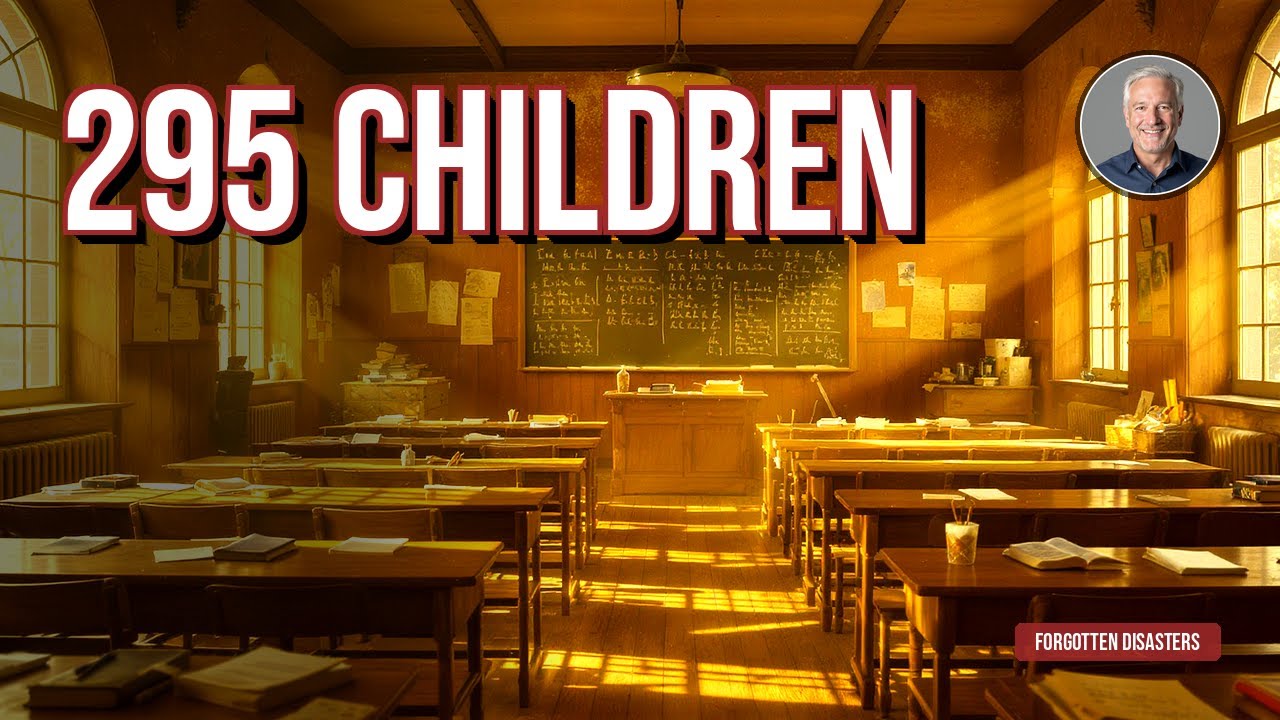
W.C. Shaw stood at the intersection of education, economics, and tragedy in Depression-era Texas. As superintendent of the New London School District in East Texas, Shaw oversaw what appeared to be one of the state’s most prosperous school systems—a gleaming campus funded by oil boom wealth, equipped with modern facilities that drew visitors from across the nation. Yet his tenure would be forever defined by a single, catastrophic decision that transformed American safety standards and claimed nearly 300 lives in mere seconds.
The Oil Boom Superintendent
Shaw arrived in New London during the height of the East Texas oil boom, when derricks dotted the landscape and royalty checks filled local coffers. The district he inherited was flush with petroleum wealth, boasting a $1 million school complex that served as a symbol of prosperity in an otherwise struggling region. Students drove new cars to school while their parents collected oil royalties, and the future seemed limitless.
But Shaw faced a fundamental tension that would define his legacy: how to balance fiscal responsibility with safety in an era when regulations were minimal and oversight was sparse. The school board, like many Depression-era institutions, felt pressure to cut costs wherever possible, even in the midst of oil wealth. Natural gas, supplied by commercial providers, represented a significant expense that Shaw and the board believed could be eliminated through creative alternatives.
The Fatal Decision
In 1937, Shaw approved the school board’s decision to disconnect from the commercial gas provider and tap directly into a residue gas line owned by Parade Gasoline Company. This “wet gas”—a byproduct of oil refining—was available free of charge, offering substantial savings to the district budget. The decision seemed economically sound, even innovative, allowing the school to redirect funds to other educational priorities.
What Shaw and the board failed to fully comprehend was the invisible danger they had introduced into their halls. Unlike commercial natural gas, the residue gas lacked the distinctive mercaptan additive that provides the familiar “gas smell” warning of leaks. For months, gas silently accumulated in the school’s basement and crawl spaces, creating a massive explosive chamber beneath the feet of students and teachers.
Shaw’s administrative oversight during this period would later be scrutinized in court proceedings and investigations. The lack of proper monitoring systems, the absence of gas detection equipment, and the failure to recognize warning signs all pointed to a systemic breakdown in safety protocols that extended beyond any single individual’s negligence.
On March 18, 1937, at 3:17 PM, a teacher’s electric sander provided the spark that ignited accumulated gas, destroying the school and killing 295 students and teachers. Shaw survived the blast, but his career and the New London community were forever changed. The tragedy sent shockwaves across America—Adolf Hitler even sent a condolence telegram—and prompted immediate regulatory reforms.
Shaw’s story embodies the broader tensions of Depression-era America, where economic pressures often trumped safety considerations. His experience demonstrates how well-intentioned cost-cutting measures, implemented without adequate safety oversight, could produce devastating consequences. The New London disaster became a watershed moment in American safety regulation, directly leading to laws requiring mercaptan additives in natural gas—a safety measure that continues to protect millions today.
The superintendent’s legacy serves as a cautionary tale about the true costs of cutting corners on safety, transforming tragedy into lasting protection for future generations.