50 States Forgotten History
Massachusetts' Hidden History: 10 Facts They Never Taught You
In 1919 a 25-foot wave of molasses moving 35 mph killed 21 people and injured 150 more in Boston's North End
7 documentaries on this topic
The molasses flood, the Cleveland gas explosion, the New London school blast, the Johnstown dam. Accidents of the industrial age that killed hundreds and rewrote safety law.
In 1919 a 25-foot wave of molasses moving 35 mph killed 21 people and injured 150 more in Boston's North End
Two months before the explosion, a company inspection found metal embrittlement in the exact tank that failed. The engineering report documented the danger in writing. The company chose increased monitoring over repairs. The cheaper steel saved four hundred thousand dollars. One hundred and thirty neighbors paid the difference with their lives. The executives were never charged.

The school board canceled their gas contract to save money and tapped into a raw, leaking pipeline instead. The gas was odorless — nobody could smell the danger. On March 18, 1937, a teacher turned on an electric sander. One spark. 295 students and teachers were killed. Adolf Hitler sent a condolence telegram. Today, natural gas has a smell because of New London. The chemical is called mercaptan.
The South Fork Fishing and Hunting Club had lowered the dam by two feet to make room for a road across the top, removed the discharge pipes that could have relieved pressure, and installed fish screens over the spillway that clogged with debris during heavy rain. Every modification made the dam weaker. Every modification was done to improve the fishing.
On January 15, 1919, a poorly constructed storage tank burst in Boston's North End, unleashing 2.3 million gallons of molasses in a wave 25 feet high moving at 35 miles per hour. Twenty-one people were killed and 150 injured. The resulting lawsuit lasted six years and established the legal precedent that corporations are liable for negligent construction.
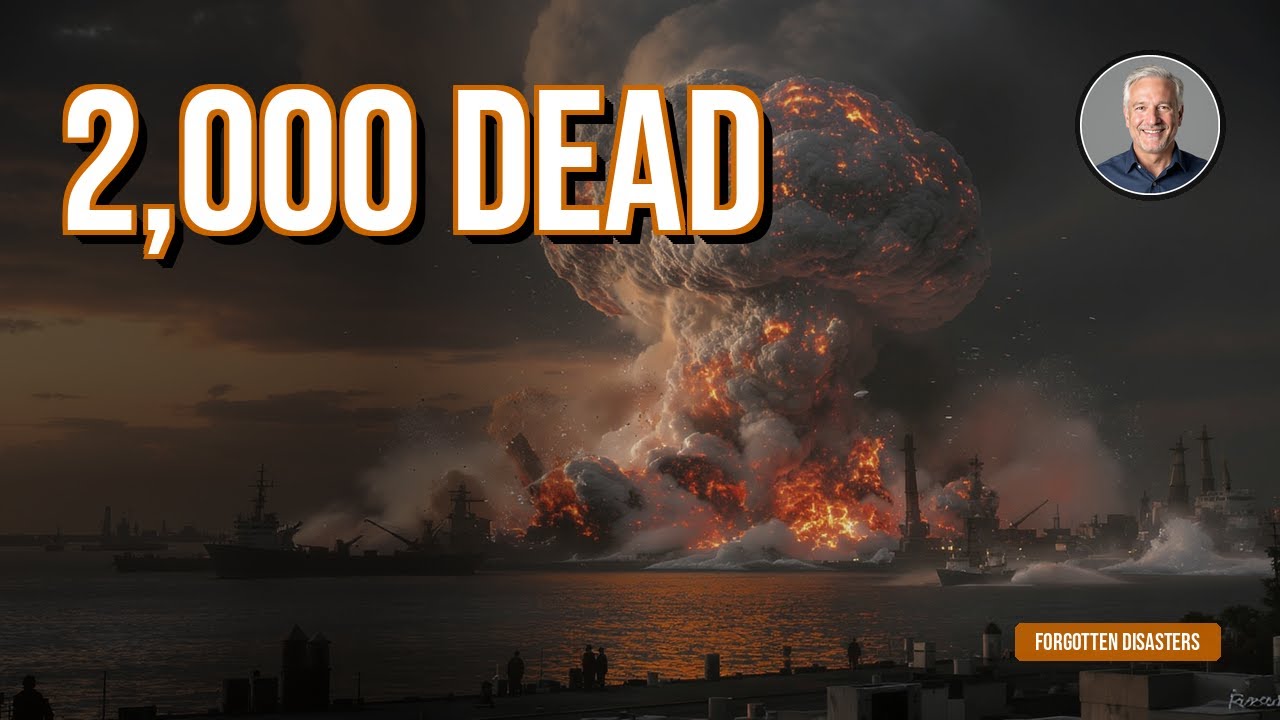
Vince Coleman could have saved himself. He had already evacuated. But he turned back and ran to his telegraph key to warn the incoming passenger train. His message stopped the train and saved three hundred lives. Coleman was killed instantly in the blast. His telegraph key was never found.
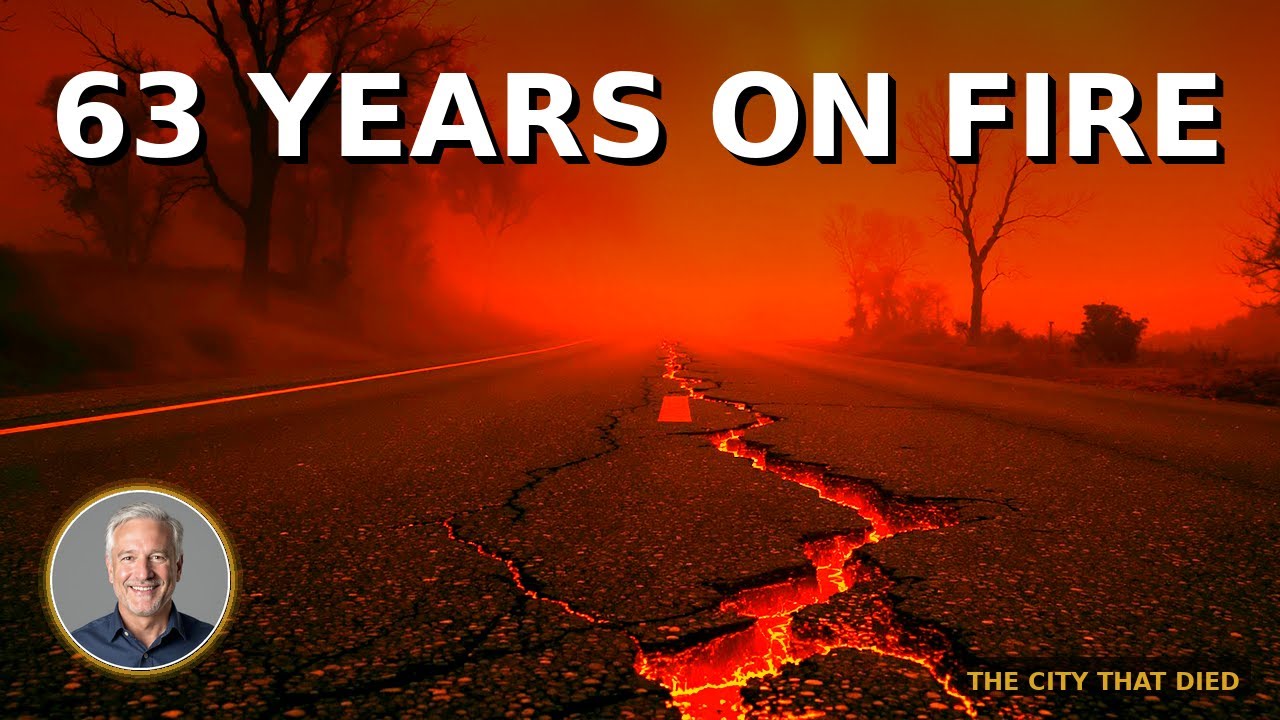
On February fourteenth, nineteen eighty-one, a twelve year old boy named Todd Domboski was walking through his grandmother's backyard when the ground opened beneath his feet. The sinkhole was four feet wide and one hundred fifty feet deep, filled with carbon monoxide and steam from the fire below. His fourteen year old cousin Eric Wolfgang grabbed his arms and pulled him out.