
50 States Forgotten History
New Jersey Discovered Football. Well, sort of.
The first intercollegiate football game was played in New Brunswick, NJ in 1869 — 25 years before the sport had formal rules
17 documentaries on this topic
The people behind the things we use every day, and the strange paths that produced them. Air conditioning, dynamite, the pacemaker, the microwave, instant photography and more.
The first intercollegiate football game was played in New Brunswick, NJ in 1869 — 25 years before the sport had formal rules
Alphonse Bertillon, a lowly records clerk with no scientific training, invented the world's first systematic criminal identification system — then the FBI spent decades trying to erase his name from history
John Stith Pemberton never knew what he had made. He died in August 1888, two months after selling the last of his rights to Coca-Cola. The product he invented is now consumed one point nine billion times every single day.

The first air conditioner was designed in 1902 to control humidity in a printing plant, not to cool people. Human comfort was an afterthought that changed civilization.
Polaroid filed for bankruptcy twice and was bought and sold by private equity firms who stripped it for parts, yet the brand was so powerful it kept coming back from the dead.
The Bath School disaster of 1927 killed 44 people including 38 children and remains the deadliest school attack in American history.
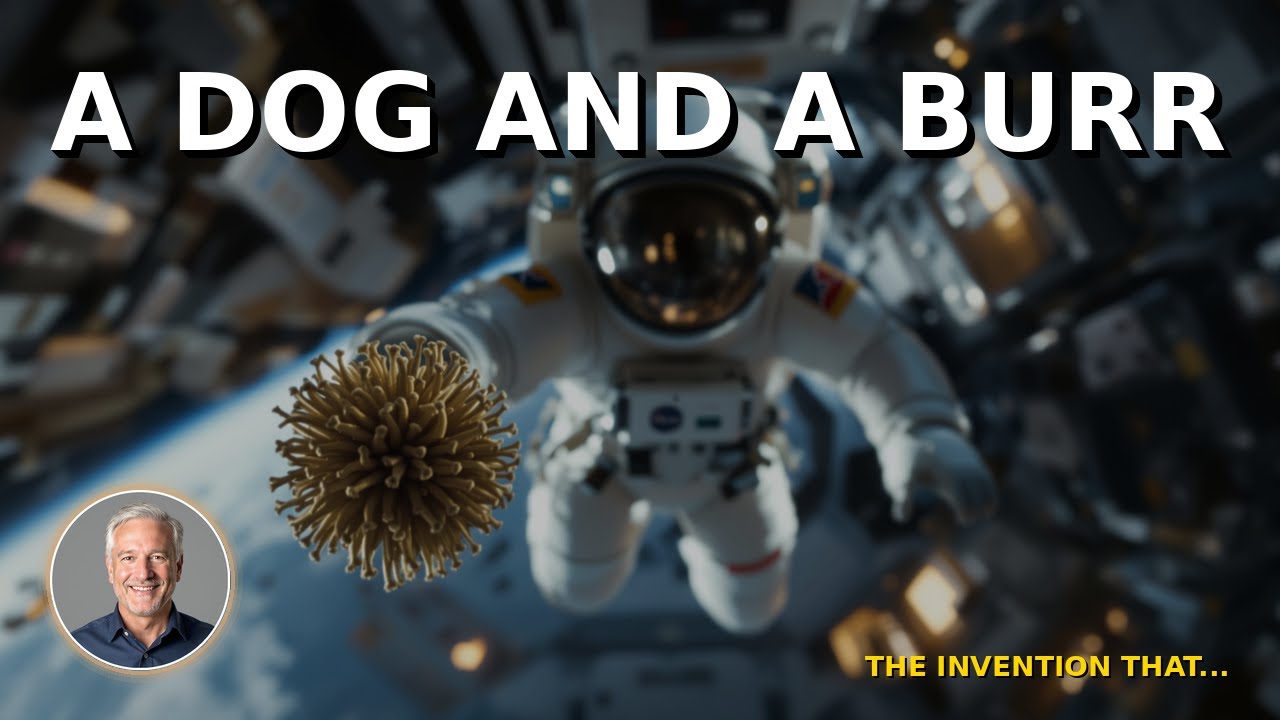
George de Mestral spent fourteen years turning a burdock burr stuck to his dog's fur into a patented invention. Every fashion house rejected it as too ugly. Then NASA used it on the Apollo missions and the International Space Station. Today, over ten thousand Velcro strips hold the ISS together.
Charles Goodyear died $200,000 in debt. He never earned a fortune from vulcanized rubber. Thomas Hancock in England reverse-engineered his process and filed a British patent first. The Goodyear Tire and Rubber Company, founded 38 years after his death, was named in his honor but had no connection to his family. The man who made modern transportation possible died broke.
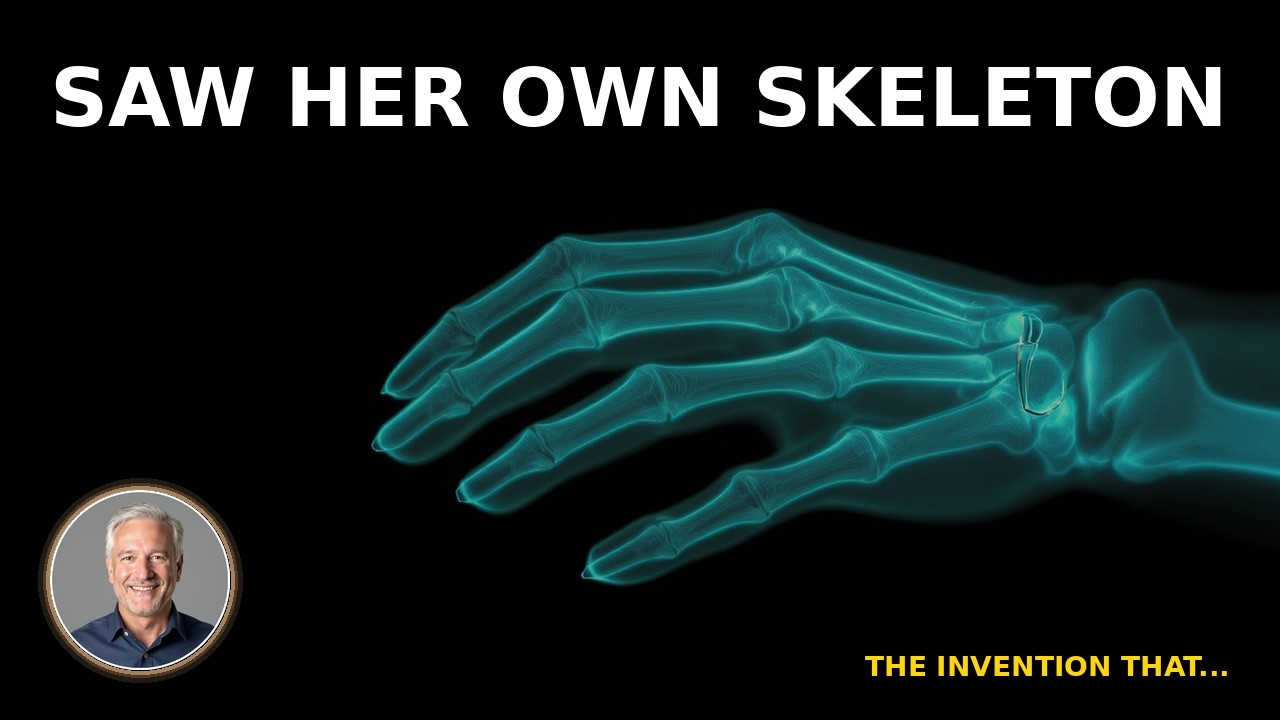
On November 8, 1895, Wilhelm Röntgen was working alone in a darkened laboratory when he noticed a fluorescent screen glowing across the room. He spent six weeks barely eating or sleeping, telling no one. When he finally showed his wife, he asked her to place her hand on a photographic plate. She saw her own skeleton and said she had seen her own death.

On May 27, 1962, the Centralia volunteer fire department set a trash fire that ignited an exposed coal seam. The fire spread through underground mines beneath the town. Over sixty years later, it still burns today. The federal government spent over $42 million relocating residents. By 2010, only ten remained of the original fourteen hundred.

Nobel's premature obituary in 1888 called him the Merchant of Death and said he had become rich by finding ways to kill more people faster. He was so horrified that he rewrote his will, devoting 94% of his $265 million fortune to create the Nobel Prizes. The inventor of dynamite created the world's most prestigious peace award.
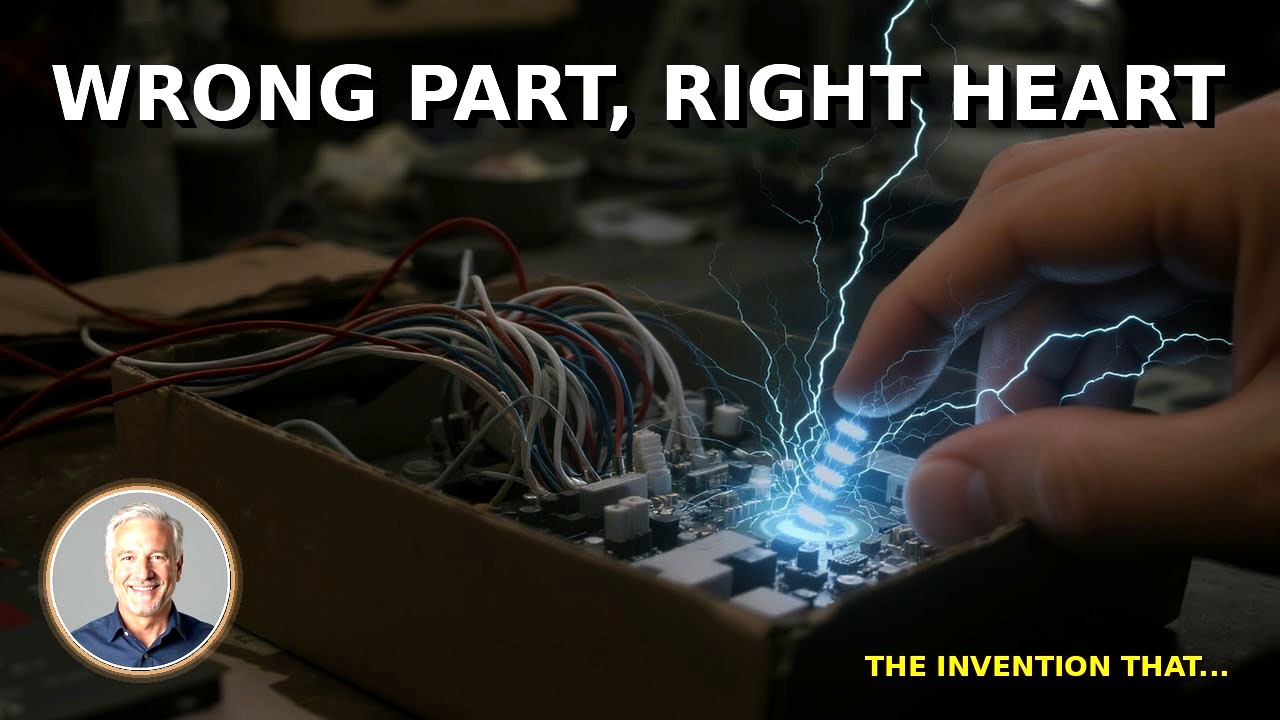
In 1958, Wilson Greatbatch grabbed the wrong resistor while building a heart rhythm recorder. The circuit pulsed once per second -- a perfect electronic heartbeat. Within three weeks he built the first implantable pacemaker prototype in his garage. Today, over three million people are alive because of that accident.
Before 1928, a scratch from a rose thorn could kill you. Then a scientist left a window open, went on vacation, and came back to find mold that would save 200 million lives.
In 1960, Richard James abandoned his wife Betty, their six children ages two through eighteen, and the company to join a religious cult in Bolivia. He donated the company's money to the organization and sent his wife accusatory letters demanding she repent. Betty rebuilt James Industries from nothing and ran it for nearly forty years, turning the Slinky into an American icon.
Percy Spencer was orphaned before the age of two. He never graduated from grammar school. He taught himself trigonometry, calculus, chemistry, physics, and metallurgy from library textbooks. By the time he accidentally invented the microwave, he held one hundred fifty patents. The man who changed every kitchen in America never set foot in a college classroom.

The Rankin family beacon in Ripley guided 2,000 enslaved people to freedom across the Ohio River
Steve Sasson built the first digital camera at Kodak in 1975 and his bosses told him to keep it quiet